
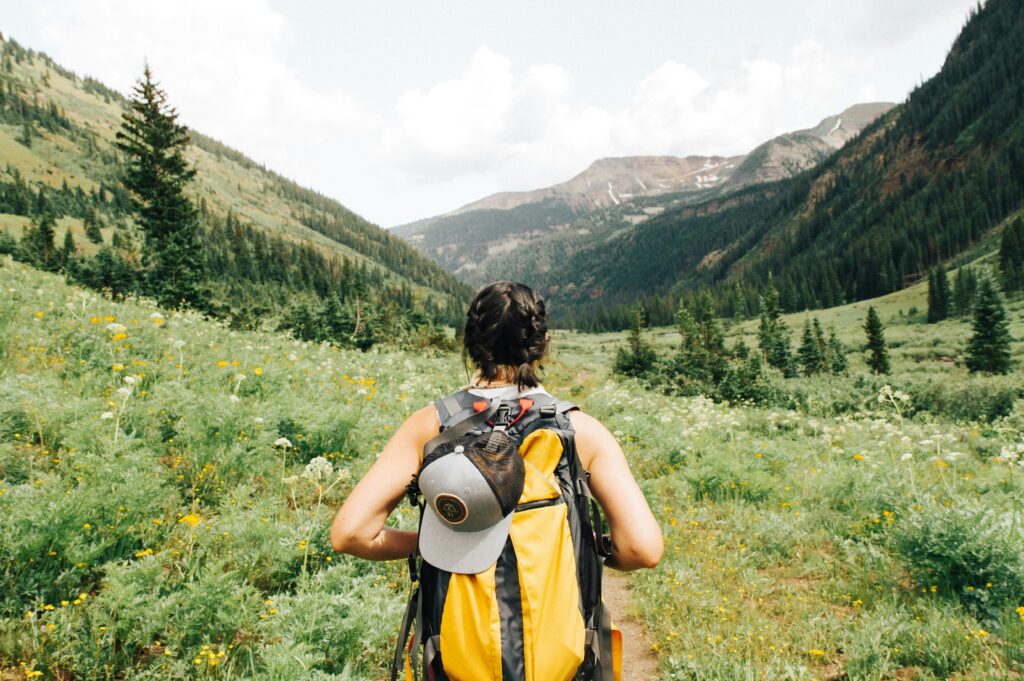
Stepping off a plane in a new country gives you a huge wave of freedom. You pick your own schedule, carry your belongings on your back, and move at whatever pace feels good to you. You can change your route on a whim whenever someone mentions a scenic beach or a quiet mountain town. Even so, after a few weeks of taking regional buses, crossing borders, and stumbling through language barriers on your own, that solo excitement often turns into a craving for good conversation. Long-term travel takes more than a sturdy pack and a loose itinerary. It takes an intentional approach to meeting people and making real friends along the way.
Finding a good travel crew on the road comes down to making simple daily choices. Experienced travelers count on shared living spaces, group activities, and easy local routines to build lasting friendships. Putting yourself in relaxed, social environments turns a solo trip into a team adventure. Keeping an open mindset and saying hello first helps you stay energized while soaking up the culture around you.
Recognizing Travel Fatigue and Prioritizing Connection
Moving constantly eventually tires you out. Packing up your bag to jump on another night bus several times a week makes it tricky to build genuine friendships. Catching travel burnout early lets you slow down, pause your transit plans, and focus on human connection. Giving yourself a breather lets you become a familiar face at a neighborhood fruit stand or start a friendly chat with someone reading on the hostel porch.
We naturally do better when we have people around us. Research published by the American Psychological Association points out that staying connected with others keeps your mood bright, your mind clear, and your motivation high. Taking a break from a packed sightseeing checklist to hang out with other travelers recharges your batteries. Spending a lazy afternoon trading travel stories over iced coffee creates the kind of spontaneous friendships that make a trip special.
Choosing Strategic Bases and Communal Lodging
Where you crash each night plays a big role in who you meet. Your choice of place serves as the main hub for your social life on the road. Grabbing an isolated room far away from the town center might feel peaceful, but it cuts you off from the casual morning chats that lead to shared day trips. Staying in spaces built for shared living puts you directly in the path of other travelers looking for company.
Your accommodation setup often shapes how quickly you settle into a comfortable daily routine abroad. Selecting among hostels in Bali lets you tailor your surroundings to practical needs, such as secure locker storage, shared kitchen access, or quiet courtyard workspaces. Living alongside other travelers gives you direct access to first-hand advice on affordable motorbike rentals, neighborhood markets, and regional transit schedules.
A good base works like a welcoming home base. You can split taxi fares, coordinate scooter rides along scenic coastal roads, and trade tips on cheap local eateries with the people sharing your room.
Simple Habits for Forming Connections
Once you settle into a welcoming spot, simple daily routines make meeting people feel effortless:
- Cooking in Shared Kitchens: Making breakfast or dinner in a communal kitchen creates an easy opening to trade recipes, share snacks, and plan group meals.
- Joining Free Walking Tours: Strolling through town with a local guide gives you an easy way to chat with other travelers without feeling awkward.
- Finding a Regular Morning Spot: Grabbing coffee at the same small family cafe each morning makes you a familiar face to locals and other long-term travelers.
- Taking a Group Class: Signing up for a surf lesson, a cooking afternoon, or a scuba course groups you with people who are excited about the same hobby.
- Hanging Out in Common Rooms: Relaxing with a book or planning your map in the shared courtyard makes it easy for others to ask about your day and team up for dinner.
Moving from Introductions to Shared Adventures
Turning quick hostel chats into lasting friendships means doing things together. Asking someone to share a taxi ride out to a waterfall or inviting a bunkmate to walk through a local night market turns a basic chat into a shared memory. These low-key invitations keep things relaxed while cutting down on your daily transport costs.
Travel friendships grow quickly because you figure out unfamiliar situations together. Working out bus schedules, navigating unmarked trails, or hunting down a quiet swimming spot creates instant camaraderie. Handling the little quirks of budget travel together makes the journey far more enjoyable. Dealing with delayed ferries or sitting together on plastic stools at a street food cart gives you great stories and turns new acquaintances into trusted travel buddies.
Tackling funny travel hiccups as a team builds genuine bonds. Whether you are finding an alternate bus route or bargaining for fruit at an outdoor market, laughing through the bumps keeps your spirits up. These shared adventures often lay the groundwork for travel plans that stretch across multiple regions.
Staying Connected Across Changing Routes
Long trips naturally bring times when people head in different directions. Travelers move toward new borders, chase different seasons, or catch flights home. The global backpacker grapevine makes staying in touch simpler than ever. Swapping social handles or messaging numbers lets you cross paths again in another country down the road.
Keeping up with travel friends gives you a great sense of continuity while living out of a backpack. Knowing a buddy is traveling through a nearby province gives you a boost as you keep moving. By picking social bases, slowing down your pace, and jumping into group activities, you build a solid global circle that stays with you long after your backpack is unpacked. Traveling solo rarely means you have to be on your own.

 Ask Diana P. how they got into hidden gems and you'll probably get a longer answer than you expected. The short version: Diana started doing it, got genuinely hooked, and at some point realized they had accumulated enough hard-won knowledge that it would be a waste not to share it. So they started writing.
What makes Diana worth reading is that they skips the obvious stuff. Nobody needs another surface-level take on Hidden Gems, Flight Hacks and Booking Strategies, Packing Optimization Tricks. What readers actually want is the nuance — the part that only becomes clear after you've made a few mistakes and figured out why. That's the territory Diana operates in. The writing is direct, occasionally blunt, and always built around what's actually true rather than what sounds good in an article. They has little patience for filler, which means they's pieces tend to be denser with real information than the average post on the same subject.
Diana doesn't write to impress anyone. They writes because they has things to say that they genuinely thinks people should hear. That motivation — basic as it sounds — produces something noticeably different from content written for clicks or word count. Readers pick up on it. The comments on Diana's work tend to reflect that.