

Dreaming of incredible adventures but worried about the cost? You’re not alone. Many travelers overspend not because a destination is expensive, but because their travel budget planning falls short. This guide gives you a clear, step-by-step framework to design an itinerary that maximizes experiences while keeping expenses under control. From booking affordable flights to managing daily spending, you’ll learn practical, real-world strategies that make a real difference. These tips are built on years of hands-on travel experience and tested money-saving techniques—so you can explore more, stress less, and turn your dream trip into a financially smart reality.
Timing isn’t just important in travel—it’s everything. If you want lower prices without sacrificing experience, start with the shoulder season. This means traveling just before or after peak months. For example, Europe in May or September offers mild weather, open attractions, and far fewer crowds than July (when it feels like everyone had the same idea). Hotels and tours often drop prices because demand softens, yet the experience remains nearly identical.
Use the Calendar to Your Advantage
Next, look at flight departure days. Mid-week flights—especially Tuesdays and Wednesdays—are typically cheaper than Fridays or Sundays because fewer business and leisure travelers are competing for seats. For instance, a Tuesday flight from New York to Paris can cost hundreds less than a Friday departure on the same route. That difference alone could cover several nights of accommodation.
Then, leverage flexible date tools. On Google Flights, click the price graph to compare fares across weeks. On Skyscanner, select the “Whole Month” view to instantly spot the cheapest days. This visual comparison removes guesswork and strengthens your travel budget planning strategy.
Finally, try this: search your dream destination with a one-week flexible window. Compare prices side by side. You’ll likely see immediate savings—sometimes dramatic ones.
Booking Smarter, Not Harder: Flights and Stays
The Booking Sweet Spot
Airfare has a rhythm. Miss it, and you’ll hear your wallet groan. For most domestic trips, booking 2–3 months ahead hits the sweet spot; international flights often reward planners who book 4–6 months out. Prices tend to spike in the final weeks as seats fill and algorithms sense urgency (they’re ruthless). According to data from Expedia’s Air Travel Hacks Report (2023), booking too early or too late can mean paying noticeably more. Some argue last-minute deals still exist—and occasionally they do—but counting on them is like waiting for a standby miracle at a crowded gate. PRO TIP: Set fare alerts and watch patterns for two weeks before purchasing.
Beyond Hotels: The Value of Alternatives
Hotels smell faintly of lobby perfume and fresh sheets, but they’re not your only option. Hostels buzz with clinking dishes and late-night laughter—ideal for solo travelers craving connection. Guesthouses feel homey, often with breakfast aromas drifting from the kitchen. Apartment rentals offer space to stretch out, cook, and breathe. Critics say alternatives sacrifice consistency. True, but reviews and clear communication reduce surprises.
The Location vs. Price Dilemma
That bargain stay 30 minutes outside the city may LOOK cheaper. But factor in daily transport costs, time, and convenience. Add train fares, rideshares, and the value of your time when doing travel budget planning. Sometimes central convenience wins.
Beware Hidden Fees
Budget airlines shout LOW FARES in bold type. Read the fine print:
- Baggage limits
- Seat selection fees
- Airport check-in charges
- Payment processing fees
Compare the final total before clicking buy. And before any trip, read travel insurance explained what you really need to know.
Structuring Your Days to Stretch Your Dollars
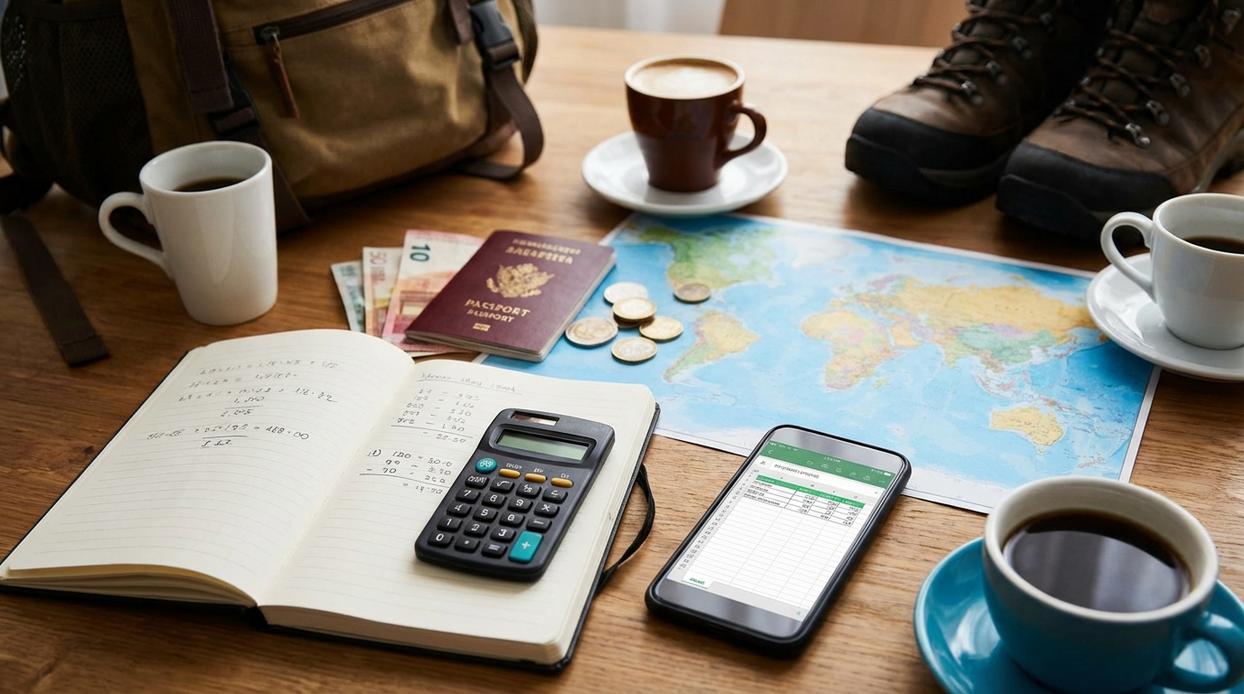
Smart itineraries aren’t about doing more; they’re about doing things in the right order. Enter activity clustering—grouping attractions by neighborhood to reduce transit time and costs. Instead of zigzagging across a city (and burning cash on rideshares), pin your must-sees on a map and build each day around one area. Think Brooklyn one day, Midtown the next. It’s simple geography, but it feels like a travel hack.
At the same time, mix paid attractions with free experiences. Wander public parks, browse local markets, explore historic districts, or hike to scenic viewpoints. Cities like London and Washington, D.C., offer world-class museums with free entry (Smithsonian Institution, 2023). Free doesn’t mean boring—sometimes it’s the highlight.
Next, follow the “One Big Thing” per day rule. Anchor your schedule around one major ticketed activity—say, the Eiffel Tower—then let the rest be low-cost wandering. This prevents budget blowouts and decision fatigue (because nobody enjoys Day 3 burnout).
As for city passes, here’s a quick formula: add up the regular admission prices of attractions you’ll realistically visit. If the pass costs less—and you can fit them in—it’s a win. If not, skip it. In future, I suspect dynamic, app-based passes will replace flat-rate cards entirely.
Pro tip: build flexibility into your travel budget planning to adapt when plans change.
Feast Like a Local Without Breaking the Bank
The Supermarket Strategy
A neighborhood grocery store isn’t just for supplies—it’s a cultural crash course. Wander the aisles and you’ll spot regional cheeses, street‑snack favorites, and bakery staples locals actually eat (yes, that neon soda counts). Stock up on breakfast, snacks, and picnic lunches for a fraction of café prices. Pro tip: bakeries inside supermarkets often discount fresh bread after 7 p.m.
Embrace the Lunch Special
Many restaurants offer a menu del día—a fixed-price lunch featuring the same kitchen talent as dinner, minus the evening markup. In Spain and Italy, for example, midday menus can cost 30–50% less than dinner (OECD tourism reports).
| Meal | Average Cost | Value |
|---|---|---|
| Lunch Special | $12–15 |
2–3 courses |
| Dinner Menu | $25–40 | Similar dishes |
Follow the Locals, Not the Tourists
Walk three blocks from major landmarks. Look for handwritten menus and workers on break—reliable signs of authenticity.
Pack a Reusable Water Bottle
Refill at public fountains to cut daily costs and plastic waste. It’s a small move that makes travel budget planning smarter (and lighter).
Your Blueprint for Affordable Adventures
You came here looking for a smarter way to see the world without draining your savings—and now you have the toolkit to do exactly that. Affordable travel isn’t about cutting joy; it’s about mastering travel budget planning so every dollar works harder for you.
When you control your timing, book strategically, and map out your days with intention, you stop overspending and start experiencing more. No more last-minute price shocks. No more regret after booking.
Ready to turn wanderlust into a well-planned reality? Start mapping your next trip today using this framework—and unlock richer experiences for less. Your next adventure doesn’t have to wait.

 Jason L. has opinions about flight hacks and booking strategies. Informed ones, backed by real experience — but opinions nonetheless, and they doesn't try to disguise them as neutral observation. They thinks a lot of what gets written about Flight Hacks and Booking Strategies, Tweaked Travel Gear Reviews, Packing Optimization Tricks is either too cautious to be useful or too confident to be credible, and they's work tends to sit deliberately in the space between those two failure modes.
Reading Jason's pieces, you get the sense of someone who has thought about this stuff seriously and arrived at actual conclusions — not just collected a range of perspectives and declined to pick one. That can be uncomfortable when they lands on something you disagree with. It's also why the writing is worth engaging with. Jason isn't interested in telling people what they want to hear. They is interested in telling them what they actually thinks, with enough reasoning behind it that you can push back if you want to. That kind of intellectual honesty is rarer than it should be.
What Jason is best at is the moment when a familiar topic reveals something unexpected — when the conventional wisdom turns out to be slightly off, or when a small shift in framing changes everything. They finds those moments consistently, which is why they's work tends to generate real discussion rather than just passive agreement.
Jason L. has opinions about flight hacks and booking strategies. Informed ones, backed by real experience — but opinions nonetheless, and they doesn't try to disguise them as neutral observation. They thinks a lot of what gets written about Flight Hacks and Booking Strategies, Tweaked Travel Gear Reviews, Packing Optimization Tricks is either too cautious to be useful or too confident to be credible, and they's work tends to sit deliberately in the space between those two failure modes.
Reading Jason's pieces, you get the sense of someone who has thought about this stuff seriously and arrived at actual conclusions — not just collected a range of perspectives and declined to pick one. That can be uncomfortable when they lands on something you disagree with. It's also why the writing is worth engaging with. Jason isn't interested in telling people what they want to hear. They is interested in telling them what they actually thinks, with enough reasoning behind it that you can push back if you want to. That kind of intellectual honesty is rarer than it should be.
What Jason is best at is the moment when a familiar topic reveals something unexpected — when the conventional wisdom turns out to be slightly off, or when a small shift in framing changes everything. They finds those moments consistently, which is why they's work tends to generate real discussion rather than just passive agreement.