
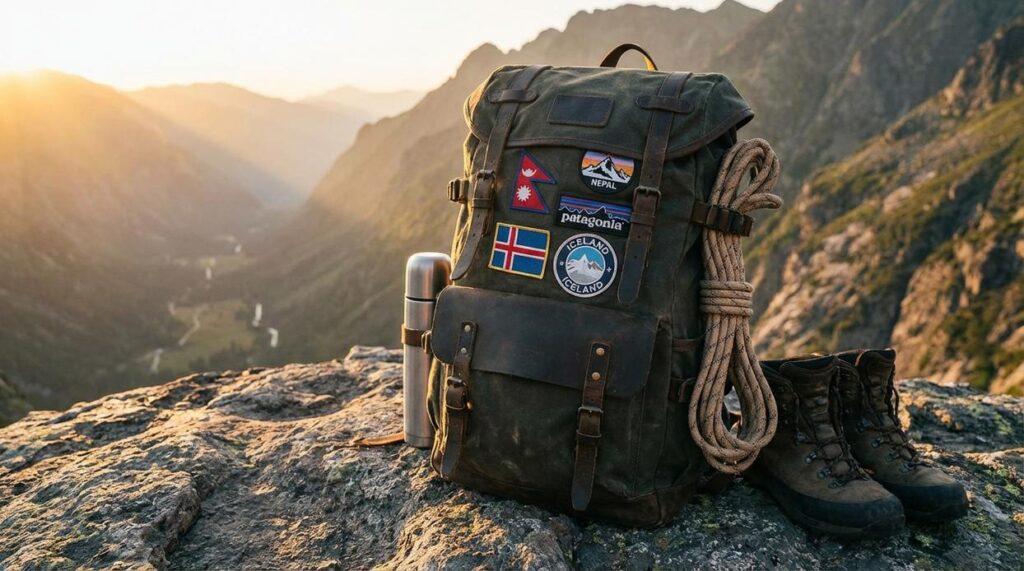
Finding the best travel backpacks for digital nomads isn’t just about style—it’s about protecting your tech, staying organized on the move, and carrying your life comfortably through airports, coworking spaces, and new cities. If you’re working remotely while traveling, you need a backpack that balances durability, smart compartments, carry-on compliance, and all-day comfort.
This guide is built to help you cut through the noise. Instead of generic recommendations, we’ve analyzed real-world travel needs, compared top-rated models, and evaluated features that matter most to remote workers—like laptop protection, weight distribution, anti-theft design, and weather resistance.
Whether you’re slow-traveling across continents or hopping between cities every few weeks, this article will help you choose a backpack that fits your workflow and travel style. Expect practical insights, honest pros and cons, and clear recommendations so you can invest in a bag that works as hard as you do.
Choosing between travel backpacks is less about style and more about function—especially if you’re living on the road.
Carry-on Backpack vs. Checked Trek Pack
- Carry-on Backpack: Built for mobility, lighter frames, laptop sleeves, and quick-access pockets. Ideal for airport sprints and co-working days.
- Checked Trek Pack: Larger capacity, rugged suspension systems, and space for bulkier gear, but slower in transit and prone to airline fees.
Advocates of bigger packs argue extra space prevents souvenir regret (fair point). Yet overpacking often means hauling unused items across cobblestones.
When comparing the best travel backpacks for digital nomads, focus on weight distribution, weather resistance, and tech organization.
Pro tip: If it doesn’t fit comfortably after a 20-minute walk, it’s the wrong pack.
Choose wisely today.
Packing Smarter, Traveling Lighter
In my experience, most travelers overpack because they confuse comfort with clutter. I used to do the same; however, once I started prioritizing mobility, everything changed. A lighter bag means fewer airline fees, smoother train sprints, and far less stress when cobblestone streets appear (and they always do).
That said, some people insist bigger bags equal better preparedness. I get the argument. Extra shoes and backup gadgets feel reassuring. Still, I think flexibility beats excess. When your gear fits into one streamlined carry-on, you move differently. You say yes to last-minute bus rides and no to baggage claim delays.
For digital nomads especially, choosing one of the best travel backpacks for digital nomads is a game changer. Look for smart compartments, breathable straps, and weather resistance. Pro tip: if a backpack feels heavy before you fill it, walk away.
Moreover, packing cubes, a compact tech pouch, and wrinkle-resistant clothing simplify everything. I also recommend sticking to a neutral color palette so every item mixes easily.
Ultimately, traveling lighter isn’t about sacrifice. Instead, it’s about designing a setup that supports freedom rather than slowing you down. Trust me, your shoulders and schedule will thank you every time.
Choosing the right backpack can make or break your remote lifestyle. After all, digital nomads (people who work online while traveling) carry their office on their backs. So what actually matters?
First, capacity. Most long-term travelers find 35–45 liters ideal because it fits standard airline carry-on limits (many airlines follow IATA cabin guidelines of roughly 55 x 40 x 20 cm) while holding essentials. Too big, and you’ll check a bag. Too small, and you’ll play suitcase Tetris at every stop.
Next, organization. Look for:
- A padded laptop sleeve (at least 16 inches)
- Lockable zippers for security
- Water-resistant fabric
- Breathable back panels for hot climates
In addition, weight matters. A lightweight frame saves your shoulders during long transit days (your spine will thank you). Pro tip: aim for an empty bag under 4 pounds to maximize airline weight limits.
Some travelers argue that style should come first. And yes, sleek design feels great—nobody wants to look like they’re trekking Mordor. However, function beats fashion when you’re sprinting through an airport.
If you’re comparing the best travel backpacks for digital nomads, prioritize durability and comfort over flashy features. Ultimately, the right pack keeps you mobile, organized, and ready to work from anywhere.
When it comes to organizing your gear, I have strong feelings. After years of overpacking, underpacking, and sitting on my suitcase like it’s a CrossFit workout, I’ve realized smart organization beats brute force every time. That’s why I’m firmly in the “yes” camp when people ask whether cubes are worth it. If you’re on the fence, read this: are packing cubes worth it an in depth analysis.
That said, some travelers argue packing cubes are unnecessary extras. They claim rolling clothes is enough. And sure, if you’re packing for a quick weekend, maybe. However, for longer trips or remote work setups, structure matters.
Here’s where I think cubes shine:
- Separate clean and dirty clothes easily
- Maximize tight carry-on space
- Keep tech accessories from tangling
- Simplify airport security repacking
Pro tip: pair cubes with one of the best travel backpacks for digital nomads to create a modular system (your future self will thank you).
Ultimately, travel feels lighter when your bag isn’t chaos. And in my opinion, anything that reduces stress on the road is worth the minimal extra weight.
Choosing a travel backpack sounds simple—until you’re staring at 47 zippers wondering which one hides your passport. So, first things first: capacity. Measured in liters, capacity tells you how much your bag can hold (think of it as the suitcase version of engine size). For most remote workers, 35–45 liters hits the sweet spot between “minimalist nomad” and “moving out permanently.”
However, size isn’t everything. Organization matters just as much. A clamshell opening—meaning the bag unzips flat like a book—makes airport security less of a treasure hunt. Meanwhile, padded laptop sleeves protect your gear from the occasional overhead-bin wrestling match.
Some travelers argue any sturdy backpack will do. Technically, yes. But after sprinting through Lisbon’s cobblestones or hopping tuk-tuks in Bangkok, you’ll appreciate ergonomic straps and breathable back panels (your spine will send a thank-you note).
If you’re comparing the best travel backpacks for digital nomads, focus on durability, weather resistance, and smart compartments. Pro tip: water-resistant zippers are worth it.
After all, your backpack is basically your portable office—minus the awkward breakroom small talk.
Choosing the Right Travel Backpack (Without the Overwhelm)
As you explore the top travel backpacks for digital nomads, you’ll want to ensure you have the perfect gear to carry your essentials while embarking on breathtaking adventures, such as discovering the Top Natural Wonders to Visit in Patagonia.
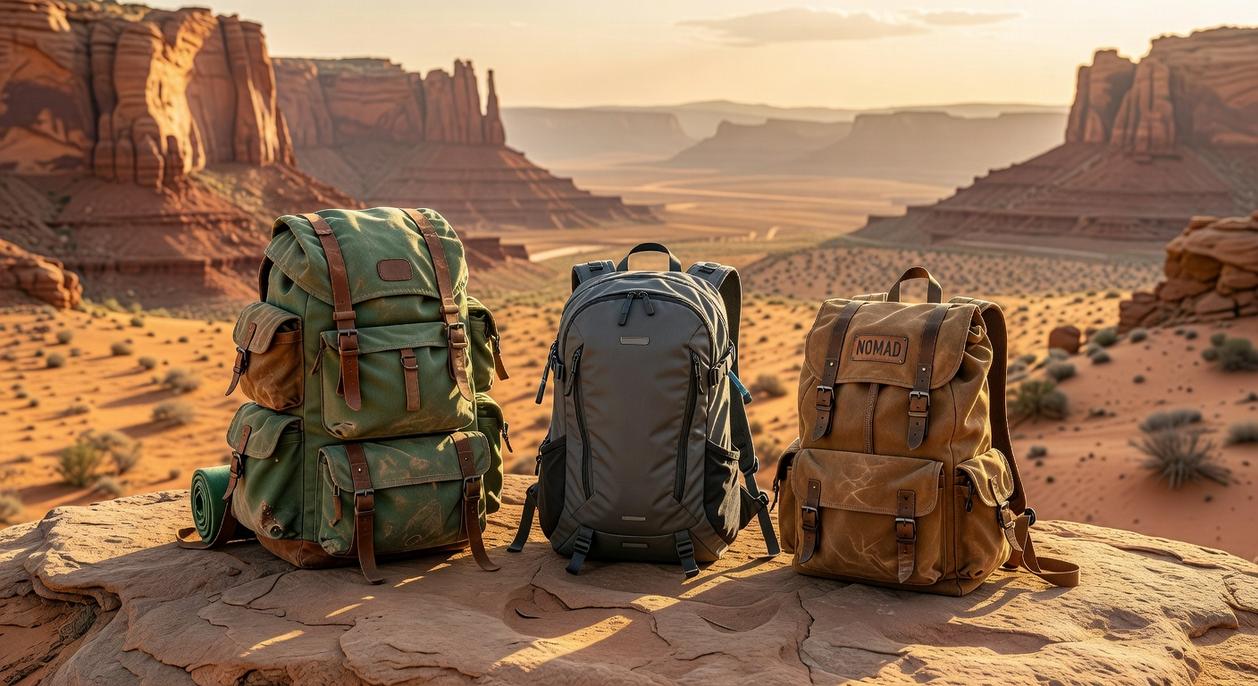
Shopping for a travel backpack can feel like decoding airline fine print. Let’s simplify it.
First, capacity refers to how much a bag holds, measured in liters. A 40L backpack, for example, usually fits carry-on limits (though always double-check airline rules). Ergonomics means how comfortably the weight sits on your body—think padded straps and hip belts that reduce shoulder strain.
Some travelers argue any sturdy backpack will do. Technically, yes. But if you’re working remotely or moving often, specialized options—like the best travel backpacks for digital nomads—offer smarter compartments for laptops, chargers, and documents (no more airport-floor repacking).
Look for:
- Lightweight, durable materials
- Lockable zippers
- Breathable back panels
Pro tip: Aim for versatility over trendy features.
Ready to Travel Smarter and Lighter?
You came here looking for clarity on choosing the best travel backpacks for digital nomads, and now you know exactly what to look for—durability, smart organization, carry-on compliance, tech protection, and comfort for long haul days. No more second-guessing your setup or struggling with a bag that slows you down.
The real pain point isn’t just picking a backpack—it’s avoiding wasted money, sore shoulders, and constant repacking frustration while you’re trying to focus on work and adventure. The right backpack eliminates that stress and keeps you mobile, efficient, and ready for anything.
Now it’s time to act. Compare your top picks, check airline size requirements, and invest in a backpack that fits your workflow—not just your wardrobe. Thousands of seasoned travelers rely on proven, highly rated gear to stay productive on the move.
Upgrade your setup today so your backpack supports your journey instead of complicating it. Your future self—boarding smoothly, packing effortlessly, and working anywhere—will thank you.

 Jason L. has opinions about flight hacks and booking strategies. Informed ones, backed by real experience — but opinions nonetheless, and they doesn't try to disguise them as neutral observation. They thinks a lot of what gets written about Flight Hacks and Booking Strategies, Tweaked Travel Gear Reviews, Packing Optimization Tricks is either too cautious to be useful or too confident to be credible, and they's work tends to sit deliberately in the space between those two failure modes.
Reading Jason's pieces, you get the sense of someone who has thought about this stuff seriously and arrived at actual conclusions — not just collected a range of perspectives and declined to pick one. That can be uncomfortable when they lands on something you disagree with. It's also why the writing is worth engaging with. Jason isn't interested in telling people what they want to hear. They is interested in telling them what they actually thinks, with enough reasoning behind it that you can push back if you want to. That kind of intellectual honesty is rarer than it should be.
What Jason is best at is the moment when a familiar topic reveals something unexpected — when the conventional wisdom turns out to be slightly off, or when a small shift in framing changes everything. They finds those moments consistently, which is why they's work tends to generate real discussion rather than just passive agreement.
Jason L. has opinions about flight hacks and booking strategies. Informed ones, backed by real experience — but opinions nonetheless, and they doesn't try to disguise them as neutral observation. They thinks a lot of what gets written about Flight Hacks and Booking Strategies, Tweaked Travel Gear Reviews, Packing Optimization Tricks is either too cautious to be useful or too confident to be credible, and they's work tends to sit deliberately in the space between those two failure modes.
Reading Jason's pieces, you get the sense of someone who has thought about this stuff seriously and arrived at actual conclusions — not just collected a range of perspectives and declined to pick one. That can be uncomfortable when they lands on something you disagree with. It's also why the writing is worth engaging with. Jason isn't interested in telling people what they want to hear. They is interested in telling them what they actually thinks, with enough reasoning behind it that you can push back if you want to. That kind of intellectual honesty is rarer than it should be.
What Jason is best at is the moment when a familiar topic reveals something unexpected — when the conventional wisdom turns out to be slightly off, or when a small shift in framing changes everything. They finds those moments consistently, which is why they's work tends to generate real discussion rather than just passive agreement.