
Ever found yourself dreaming of an adventure but stopped by that nagging worry, “Is it safe?” You’re not alone. The fear of uncertainty keeps many travelers grounded, missing out on experiences that could change their lives. I’ve been there, and I know what it takes to move past that anxiety.
You want to explore the world, but you also want to feel secure, right?
I’ve spent years crafting travel strategies that prioritize both freedom and security. So, if you’re looking for more than just generic tips, you’re in the right place. This guide promises a structured approach to traveling alone safely, from planning to execution.
Preparation is your ticket to confidence and the key to enjoying your journey. Ready to open up that? and make those dreams a reality.
Safety First: Planning Your Solo Adventure
When it comes to traveling alone safely, choosing the right destination is everything. I always start with the U.S. Department of State travel advisories.
They’re like my go-to weather app but for safety. Sure, they’re filled with bureaucratic-speak, but look closer. What are the specific risks for solo travelers? the real insight hides.
Next up, booking a secure place to crash. Reviews matter. Vet them like you’re hiring a babysitter.
Look for mentions of safety. (Nobody wants to wake up to a missing passport.) Use street view to scout the neighborhood. Does it look sketchy or lively? Prioritize spots with 24-hour reception.
You don’t want to be stuck outside in the middle of the night.
Speaking of passports, let’s talk about the ‘Documentation & Finance’ safety net. Keep digital and physical copies of everything. It’s the ‘two of everything’ rule.
Also, inform your bank about your travel plans. Nothing’s worse than finding your card blocked halfway across the world.
Cash? Split it up. Some in your bag, some on you.
Cards too. If one bag gets swiped, you’re not totally stranded.
Packing for peace of mind isn’t just about clothes. Think about a portable door stop alarm, a whistle, or an anti-theft bag. These aren’t just gadgets.
They’re tools for confidence.
And don’t forget to check out travel insurance what you need to know. It’ll save you a ton of stress if things go sideways. Trust me, you’ll thank yourself later.
On-the-Ground Smarts: Navigating Your Destination with Confidence
Traveling safely starts before you even leave your room. Blending in is your first line of defense. I always research local dress codes.
No one wants to look like a tourist if they can help it. Flashy jewelry? Leave it at home.
Walk with purpose and act like you know where you’re headed, even if you don’t. Confidence matters.
Let’s talk transportation. Using vetted ride-sharing apps is a no-brainer. They’re safer than hailing random taxis off the street.
Plus, you can share your ride status with a friend. It’s an extra layer of security. On public transport, keep your bag in front of you.
Guard it like it’s your lifeline (because it kind of is). If something feels off, trust that gut feeling.
Nightlife can be tricky. Always know your alcohol limit. It’s not just about avoiding hangovers.
It’s about staying aware. Never leave your drink unattended. Easy to say, hard to remember when you’re having fun.
And have a clear plan to get back to your accommodation. Sounds simple, but you’ll thank yourself later.
Unwanted attention? It happens. A firm “No, thank you” usually does the trick.
Keep your tone neutral. No need to escalate things. If someone persists, walk to a more crowded area.
You’re not obliged to entertain anyone’s interest. It’s about keeping yourself safe.
If you’re nervous about traveling alone safely, it’s worth reading up on strategies others have used. Being prepared makes all the difference.
Remember, you don’t have to be a seasoned spy. Just a bit of planning and you’ll be navigating like a pro. Stay aware.
Stay confident. And most importantly, enjoy your adventure. Traveling solo doesn’t have to be daunting.
With a bit of street smarts, you can explore the world with peace of mind.
Your Digital Fortress: Solo Traveler Security Essentials
Traveling alone safely is more than just clutching your passport like it’s the last snack at a party. It’s about turning your phone into a digital fortress. I swear by a trusted VPN for public Wi-Fi.
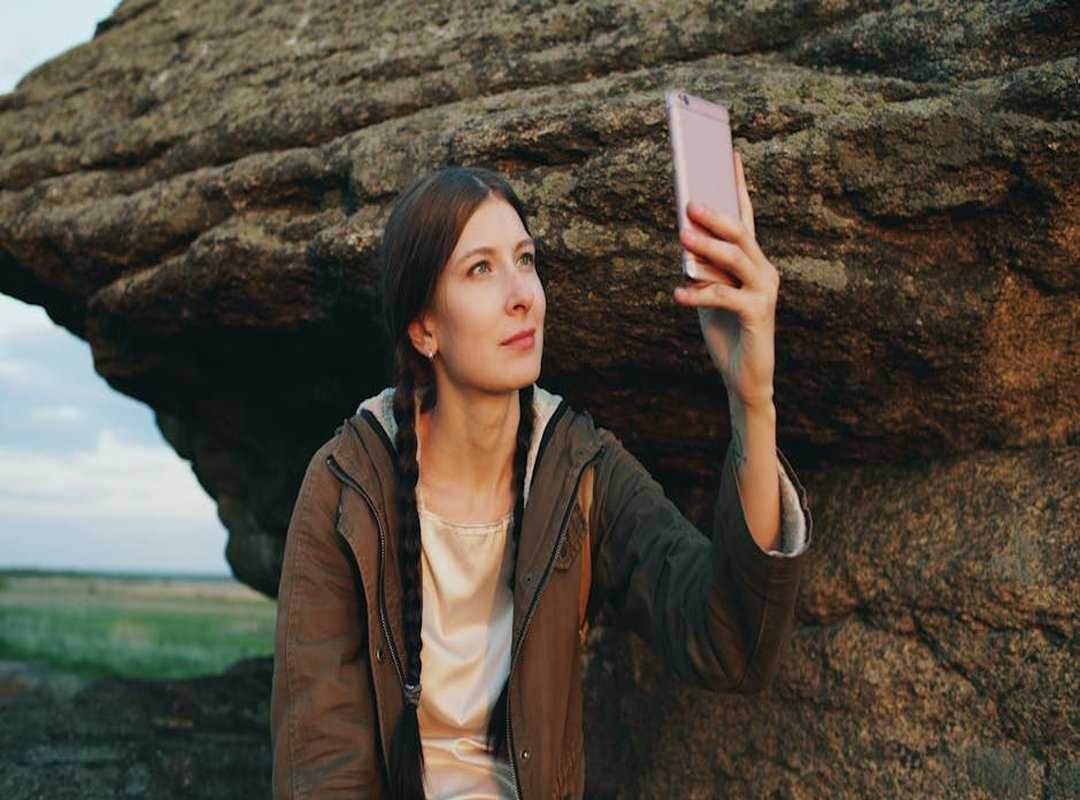
Why? Because free café Wi-Fi is a hacker’s Disneyland. Secure your connection so your data isn’t as exposed as an open tab you forgot to close.
Now, let’s talk language barriers. An offline translation app is your sidekick. Ever tried to mime “hospital” in a foreign country?
Spare yourself. Get something like Google Translate and download the language pack before you go off-grid.
For personal safety, apps like Noonlight or bSafe are no-brainers. Imagine a discreet SOS button right on your phone. You get peace of mind even when walking through unfamiliar streets.
It’s like having Batman on speed dial, minus the cape.
And let’s not forget a portable power bank. Your phone dying in a new city is not just inconvenient (it’s) a vulnerability. It’s your map, your emergency call button, and your connection to home.
Never leave it to chance.
Digital check-ins are another layer of security that shouldn’t be overlooked. Use ‘Find My’ or Google Maps to share your location with a trusted contact. It’s not about being tracked; it’s about having someone know you got back to your hotel safely.
Don’t skimp on strong, unique passwords for your booking sites. And for heaven’s sake, put a lock screen on your phone. It’s basic hygiene.
Like washing your hands, but for data.
Oh, and if you’re interested in traveling with children stress free, you’re just one click away from making that nightmare less of a reality.
Mindset & Intuition: Your Most Solid Safety Tool
Trust your gut. Seriously, it’s your best friend when traveling alone safely. You know that feeling in your stomach when something’s off?
That’s your subconscious picking up on subtle cues of danger. Ignore it at your own risk. Picture this: you’re walking down a dimly lit street (why did you decide to take that shortcut?) and suddenly feel uneasy.
That’s your cue to turn around or get to a safer spot.
Confidence is your armor. Project it through your body language. Keep your head up, make brief eye contact, and walk with purpose.
Thieves and troublemakers look for easy prey. If you look like you know where you’re going, you’re less likely to be bothered. It’s a simple shift in how you carry yourself, but the impact’s huge.
Let’s talk about the difference between healthy caution and anxiety. Feel like you’re always on edge? That’s anxiety talking, not intuition.
Preparation is key. Knowing you’ve done your homework (maps, local customs, emergency contacts) lets you relax and enjoy the journey. You’re prepared, not paranoid.
And remember this: saying ‘no’ is solid. Whether it’s an unwanted conversation or a sketchy situation, you don’t owe anyone an explanation. Your safety comes first.
It’s okay to refuse offers or invitations that don’t feel right. Trust me, no polite excuse needed. Your instincts are your best guide.
Listen to them. Always.
Your Solo Journey Starts Now
Fear and uncertainty shouldn’t hold you back from your goal of traveling alone safely. The real barriers aren’t the world itself but the doubts in your mind. I know you can overcome them with a solid plan.
Start with research and packing, then focus on mindset and tech. That’s the proactive system you need.
Why wait? Your adventure doesn’t begin with buying a ticket. It starts with the first step of preparation.
You can do this. It’s time to plan your trip. Don’t just dream about it.
Make it real. Ready to take that leap? Start today.

 Ask Zyphara Ollvain how they got into hidden gems and you'll probably get a longer answer than you expected. The short version: Zyphara started doing it, got genuinely hooked, and at some point realized they had accumulated enough hard-won knowledge that it would be a waste not to share it. So they started writing.
What makes Zyphara worth reading is that they skips the obvious stuff. Nobody needs another surface-level take on Hidden Gems, Flight Hacks and Booking Strategies, Packing Optimization Tricks. What readers actually want is the nuance — the part that only becomes clear after you've made a few mistakes and figured out why. That's the territory Zyphara operates in. The writing is direct, occasionally blunt, and always built around what's actually true rather than what sounds good in an article. They has little patience for filler, which means they's pieces tend to be denser with real information than the average post on the same subject.
Zyphara doesn't write to impress anyone. They writes because they has things to say that they genuinely thinks people should hear. That motivation — basic as it sounds — produces something noticeably different from content written for clicks or word count. Readers pick up on it. The comments on Zyphara's work tend to reflect that.
Ask Zyphara Ollvain how they got into hidden gems and you'll probably get a longer answer than you expected. The short version: Zyphara started doing it, got genuinely hooked, and at some point realized they had accumulated enough hard-won knowledge that it would be a waste not to share it. So they started writing.
What makes Zyphara worth reading is that they skips the obvious stuff. Nobody needs another surface-level take on Hidden Gems, Flight Hacks and Booking Strategies, Packing Optimization Tricks. What readers actually want is the nuance — the part that only becomes clear after you've made a few mistakes and figured out why. That's the territory Zyphara operates in. The writing is direct, occasionally blunt, and always built around what's actually true rather than what sounds good in an article. They has little patience for filler, which means they's pieces tend to be denser with real information than the average post on the same subject.
Zyphara doesn't write to impress anyone. They writes because they has things to say that they genuinely thinks people should hear. That motivation — basic as it sounds — produces something noticeably different from content written for clicks or word count. Readers pick up on it. The comments on Zyphara's work tend to reflect that.