If you’re searching for authentic charm, fewer crowds, and unforgettable cultural experiences, exploring eastern europe small towns might be exactly what you need. While major capitals often steal the spotlight, it’s the cobblestone streets, family-run cafés, medieval squares, and untouched landscapes of smaller towns that truly capture the region’s character.
This guide is designed to help you discover the most rewarding destinations, along with practical travel tips to make your journey smooth and memorable. We’ve analyzed traveler feedback, regional tourism data, and local recommendations to highlight places that consistently deliver unique experiences without the overwhelming tourist traffic.
Whether you’re planning a slow-paced cultural escape, a budget-friendly European adventure, or a hidden-gem itinerary far from typical routes, this article will show you where to go, what to expect, and how to make the most of your time in Eastern Europe’s most captivating small towns.
Beyond the Capitals: Discovering Europe’s Hidden Heart
First, skip obvious hubs and look at eastern europe small towns connected by regional trains; they’re cheaper and often under two hours from airports. Start with Český Krumlov in Czechia or Sighișoara in Romania—both offer medieval cores without capital-city crowds.
Next, book guesthouses instead of chain hotels. Family-run pensions (small, locally owned inns) often include breakfast and insider tips. Pro tip: message hosts in advance for bus schedules—Google Maps isn’t always updated.
Finally, travel midweek and shoulder season. You’ll save money, avoid tour groups, and hear church bells instead of selfie sticks clicking.
Český Krumlov, Czech Republic: A Bohemian Fairy Tale
Why It’s a Must-See
Český Krumlov feels like stepping onto a movie set—think The Grand Budapest Hotel, but with real castles and fewer pink pastries. This UNESCO World Heritage Site is wrapped in a graceful bend of the Vltava River, which snakes around the hilltop castle like it’s guarding a treasure. The town’s Renaissance and Baroque facades remain remarkably preserved, their pastel colors glowing at sunset (it’s almost suspiciously picturesque). In a region famous for eastern europe small towns, this one steals the spotlight.
Top Experiences
Start with the Český Krumlov Castle complex, the second largest in the country. Climb the tower for panoramic views that look straight out of a fantasy RPG. Then grab a raft or canoe and float the Vltava—paddling beneath the castle offers postcard-worthy photo angles you simply can’t get on foot. Finally, wander the cobblestone Old Town, where hidden courtyards and quirky shops reward aimless exploration (pro tip: go early morning to beat the tour groups).
Hidden Gem Recommendation
Slip away to the Monastery of the Minorites. Its tranquil gardens and lesser-known art collections offer a calm counterpoint to the bustling main square.
Travel Tip
Fly into Prague and take a scenic three-hour bus like RegioJet or FlixBus. It’s typically cheaper and more convenient than regional connections—and the countryside views feel straight out of a travel montage.
Zakopane, Poland: Gateway to the Tatra Mountains
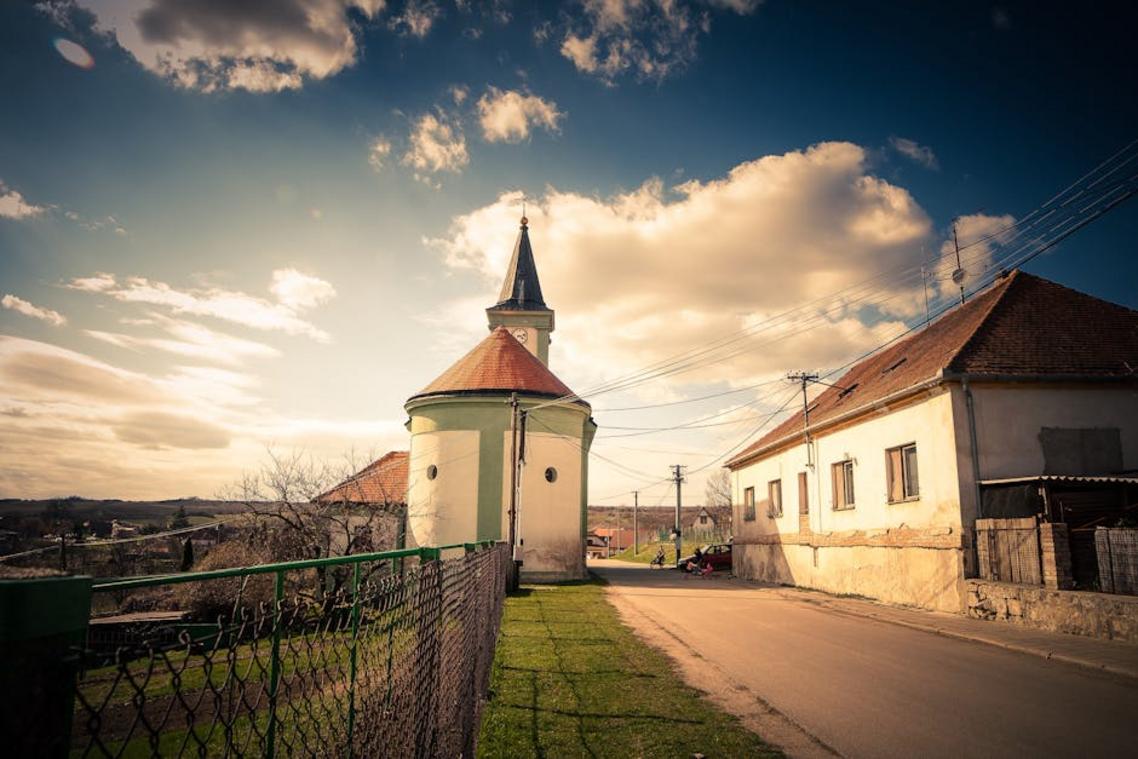
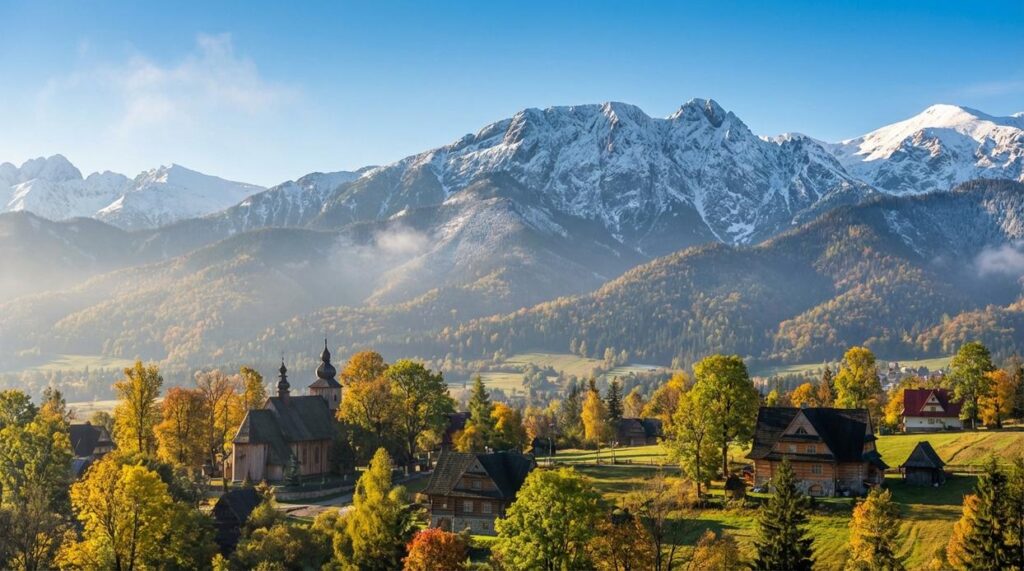
The first time I arrived in Zakopane, the mountains didn’t just sit on the horizon—they loomed, dramatic and slightly unreal, like a fantasy film backdrop (think The Witcher, but with better snacks). Nestled at the foot of the Tatra Mountains, Zakopane stands out among eastern europe small towns because it’s truly a year-round destination. Summer brings alpine hikes; winter transforms it into Poland’s snow capital.
What makes it visually unforgettable is the Zakopane Style—a distinct wooden architectural tradition blending local craftsmanship with Art Nouveau influences. You’ll see steep roofs, carved balconies, and intricate detailing that feel both rustic and theatrical.
Top Experiences You Shouldn’t Miss
Start with a hike to Morskie Oko, a glacial lake whose name literally means “Eye of the Sea.” When I rounded the final bend and saw the water reflecting the peaks, the entire uphill trek felt worth it. Then, ride the funicular up Gubałówka Hill for panoramic views (pro tip: go near sunset for softer light and thinner crowds). Finally, stroll Krupówki Street for handmade crafts and Oscypek, the region’s smoked sheep cheese—salty, chewy, and surprisingly addictive.
For a quieter moment, walk through the Old Cemetery on Pęksowy Brzyzek. The hand-carved wooden tombstones are works of art, honoring artists, writers, and mountaineers who shaped the region.
As for packing, layered merino wool is a game changer. It’s breathable, odor-resistant, and perfect for cool mountain evenings—even in July.
And if you crave contrast after alpine air, explore these hidden island getaways for a quiet tropical retreat.
Sighișoara, Romania: The Last Inhabited Citadel
Sighișoara isn’t just postcard-pretty—it’s one of the last continuously inhabited medieval citadels in Europe and a UNESCO World Heritage site. That means people don’t just visit; they live within these fortified walls (laundry lines and all). Some travelers argue it’s “too small” compared to Prague or Budapest. However, that intimacy is precisely its edge. You’re not battling crowds—you’re stepping into a living, breathing time capsule. It’s also famously linked to Vlad the Impaler, the historical figure who inspired Dracula (yes, that Dracula).
Top Experiences
First, climb the 14th-century Clock Tower for sweeping views over candy-colored rooftops. Then wander up the covered Scholars’ Stairs, originally built to protect schoolchildren from harsh winters. Finally, explore the Church on the Hill for frescoes and a quiet cemetery with panoramic countryside views.
| Experience | Why It Matters | Insider Angle |
|————|—————|—————-|
| Clock Tower | Best city views | Go near sunset for softer light |
| Scholars’ Stairs | Medieval engineering | Notice the worn wood beams |
| Church on the Hill | Gothic details | Fewer visitors in early morning |
Hidden Gem Recommendation
Step away from the main square. Side streets reveal artisan workshops selling handmade leather goods and pottery—far removed from generic souvenirs common in eastern europe small towns.
Packing Strategy
Bring sturdy walking shoes with solid grip. The cobblestones are ancient, uneven, and slick after rain (learned the hard way, trust me).
Planning Your Quaint European Escape
If you’re serious about avoiding the tour-bus circus, you need a smart route. I always suggest pairing Kraków with Zakopane—start with royal castles and cobblestone squares, then escape to the Tatra Mountains for alpine air and wooden chalets. It’s an easy train ride, and the contrast makes both places shine. Another favorite? A Transylvania loop: fly into Cluj-Napoca, wander medieval lanes in Sighișoara, then add Brașov for mountain views. The magic of eastern europe small towns really reveals itself when you slow down and connect them thoughtfully.
Timing matters more than people admit. Visit in the shoulder seasons (May–June and September–October) for mild weather, thinner crowds, and better prices. July might look tempting, but sweating through packed squares isn’t my idea of romance (unless you enjoy queueing for photos). According to the European Travel Commission, shoulder months consistently see lower visitor density and accommodation rates.
A practical hack I swear by:
- Use multi-city flight search tools instead of round-trip tickets.
- Compare local bus and rail operators directly—regional sites often beat aggregator prices.
Some travelers argue sticking to capitals is “more efficient.” I disagree. Efficiency isn’t the goal—experience is. The real charm lives beyond the obvious landmarks. Step off the main path, linger in a quiet market square, order the house wine, and let the smaller towns surprise you.
Ready to Experience the Magic for Yourself?
You started this journey looking for authentic charm, fewer crowds, and unforgettable moments—and now you know exactly why eastern europe small towns deliver all three. From cobblestone streets and family-run cafés to centuries-old architecture and untouched landscapes, these destinations offer the kind of travel experience that’s becoming harder to find.
The real pain point isn’t choosing where to go. It’s avoiding overpriced, overcrowded tourist traps that drain your budget and dilute the experience. These small towns solve that problem with character, culture, and value you simply won’t get in overrun hotspots.
Now it’s time to act. Start mapping out your route, look for regional flight deals, and book accommodations before these hidden gems become tomorrow’s headline destinations. Use smart booking strategies, pack light, and travel with a flexible itinerary so you can explore beyond the guidebooks.
Don’t settle for the same trip everyone else is taking. Plan your adventure to eastern europe small towns today—unlock authentic experiences, stretch your budget further, and create stories most travelers never will. Your next unforgettable journey is waiting. Book it now.

 Jasons Greenovader is the co-founder of paxtraveltweaks and a passionate travel tech enthusiast who focuses on helping travelers use digital tools to simplify their journeys. With expertise in travel apps, smart booking strategies, and online planning platforms, Jasons creates practical guides that help readers save time and money while exploring the world. His mission is to make modern travel more efficient through technology-driven solutions.