
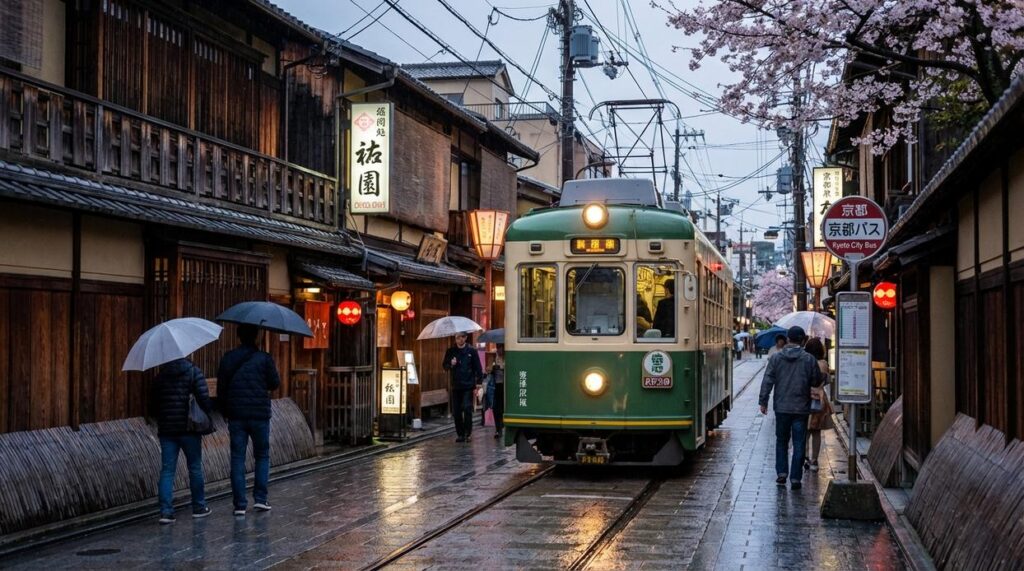
Planning a trip to Japan and searching for the ultimate kyoto travel guide? You’re likely looking for clear, practical advice on what to see, where to stay, what to eat, and how to make the most of your time in this historic city—without feeling overwhelmed by endless options.
This guide is designed to do exactly that. From iconic temples and serene bamboo groves to hidden alleyway eateries and lesser-known cultural gems, we break down what’s truly worth your time. You’ll find smart itinerary suggestions, seasonal travel tips, transportation guidance, and money-saving strategies to help you explore Kyoto efficiently and confidently.
Our recommendations are based on in-depth destination research, up-to-date travel data, and insights gathered from experienced travelers and local sources. Whether it’s your first visit or a return trip, this guide gives you practical, trustworthy advice to experience Kyoto beyond the surface and create a trip that feels both seamless and unforgettable.
Timing Your Trip: How to Avoid the Crowds and See Kyoto at Its Best
Kyoto rewards good timing—and punishes bad planning. While most guides stop at cherry blossoms and fall leaves, a smart kyoto travel guide strategy goes deeper.
Seasonal Breakdown
Spring means sakura (cherry blossoms), typically late March to early April. It’s magical—and packed. Summer brings festivals like Gion Matsuri in July, vibrant but humid (think “beautiful sauna”). Autumn foliage peaks in November with fiery maple leaves. Winter, meanwhile, offers serenity and occasional snow-dusted temples—fewer tourists, lower prices, and a quieter, almost cinematic atmosphere.
However, peak-season hype overlooks something important.
The Shoulder Season Secret
Late May and late November strike the sweet spot. You’ll catch pleasant weather, thinner crowds, and better hotel availability. While some argue peak bloom is worth the chaos, waiting a few weeks often delivers 90% of the beauty with half the congestion. Pro tip: monitor foliage forecasts from the Japan Meteorological Agency for precise timing (JMA data).
Strategic Daily Planning
Adopt the “Go Early, Go Late” rule. Visit Fushimi Inari or Arashiyama Bamboo Grove before 8 AM or after 5 PM. The difference is dramatic—tranquil pathways instead of selfie traffic jams.
Weekday vs. Weekend Travel
Plan marquee temples for weekdays. On weekends, explore neighborhood gems like Shimogamo Shrine or local markets.
For contrast in crowd strategy, see a complete guide to exploring the amalfi coast.
Mastering Kyoto’s Transit: The Ultimate Bus and Train Hacks
The Bus Is King (Mostly)
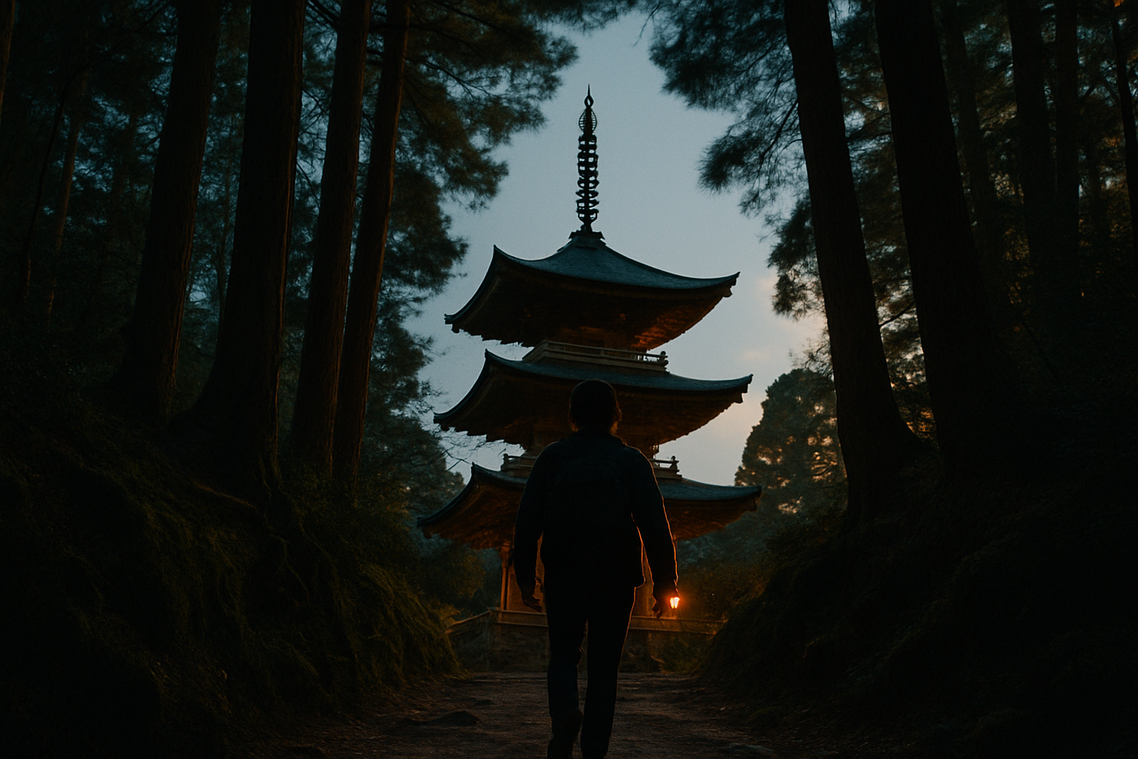
Kyoto’s bus network reaches temples and neighborhoods trains simply don’t. Places like Kinkaku-ji and Ginkaku-ji are easiest by bus, which is why locals say the bus “rules the streets.” A Kyoto City Bus & Kyoto Bus One-Day Pass offers unlimited rides within the city zone—ideal if you’re temple-hopping. Enter through the rear door, exit at the front, and pay or tap when you get off. Simple (once you’ve done it once).
When to Use the Subway
Kyoto has two subway lines: the Karasuma Line (north–south) and the Tozai Line (east–west). If you’re crossing downtown quickly—say from Kyoto Station to Shijo or heading east toward Higashiyama—the subway often beats traffic-clogged buses. Think of it as your express lane when timing matters.
IC Cards Explained
An IC card (like Suica or Icoca) is a reloadable tap-and-go transit card. Buy one at major stations, load funds, and tap on buses, subways, and most trains. No fumbling for coins. Pro tip: keep it handy—Kyoto buses can get crowded.
Pro Tip: Renting a Bicycle
For scenic freedom, rent a bike. The Kamo River path and Arashiyama’s quieter streets are perfect for pedaling past traffic. Many kyoto travel guide readers say cycling feels straight out of a Studio Ghibli scene.
The Unmissable Sights: A Curated Itinerary for Maximum Impact
Kyoto doesn’t do “low effort.” It does gold-leaf temples, endless vermilion gates, and bamboo forests that look straight out of a fantasy film.
The “Golden Route” Trio
Kinkaku-ji (Golden Pavilion) is best visited right at opening time (around 9 a.m.). The early light makes the gold shimmer, and you’ll beat the tour bus brigade. Take the Kyoto City Bus from Kyoto Station (routes 101 or 205). Yes, it’s popular. Yes, it’s worth it.
Fushimi Inari Shrine is your sunrise spot. Go before 8 a.m. to wander the torii gates without feeling like you’re in a theme park queue. Take the JR Nara Line to Inari Station—fast, simple, efficient.
Arashiyama Bamboo Grove shines in the early morning glow. Arrive by 8 a.m., take the JR Sagano Line to Saga-Arashiyama Station, and stroll before the selfie sticks multiply.
Gion & Higashiyama District
In the evening, walk through Gion. You might glimpse a geiko gliding to an appointment (think elegance, not paparazzi moment). By day, explore Higashiyama’s preserved streets, leading to Kiyomizu-dera Temple, where wooden terraces frame sweeping city views. It’s the Kyoto you picture in every kyoto travel guide—and somehow better in person.
Packing Strategy for Temples
You’ll remove your shoes often. Wear easily slip-on shoes and carry a small bag for them. (Trust me, juggling sneakers and dignity is harder than it sounds.)
Nishiki Market
Call it a culinary must-do. Try takotamago (octopus stuffed with quail egg) and freshly grilled senbei. Come hungry. Leave happy. Possibly very full.
Beyond the Tourist Trail: Discovering Kyoto’s Hidden Gems
Have you ever wondered what Kyoto feels like once the tour buses leave? Step onto the Philosopher’s Path, a stone walkway tracing a quiet canal. Outside cherry blossom season, it’s blissfully uncrowded—just you, drifting leaves, and the soft crunch of gravel underfoot (peaceful, right?).
If you have an extra day, why not head north? The hike from Kurama-dera to Kifune Shrine winds through cedar forests and mossy steps, connecting a mountain temple to a shrine devoted to water. It’s a scenic contrast to the city’s bustle—and far less photographed.
Then there’s Otagi Nenbutsu-ji in Arashiyama, home to 1,200 moss-covered rakan statues, each carved with a different expression. Some grin, some meditate, some look delightfully confused (relatable).
• Pro tip: Wear GOOD walking shoes—Kyoto’s best secrets reward those who explore on foot.
Most kyoto travel guide lists skim these spots. Will you go deeper?
Make the Most of Your Time in Kyoto
You came here looking for a clear, practical kyoto travel guide—and now you have a roadmap to experience the city without confusion, overwhelm, or wasted time. From must-see temples and hidden alleyways to smart transit tips and cultural insights, you’re equipped to explore Kyoto with confidence.
Traveling in Japan can feel intimidating—language barriers, crowded hotspots, and tight itineraries can quickly turn excitement into stress. But with the right plan, Kyoto transforms from overwhelming to unforgettable.
Now it’s time to take action. Start mapping out your must-visit spots, secure your accommodations early, and lock in the experiences that matter most to you. Don’t leave your trip to chance.
If you want step-by-step travel tweaks, insider booking hacks, and curated hidden gems that most tourists miss, explore our expertly crafted resources today. We’re trusted by savvy travelers who want smoother trips and richer experiences.
Plan smarter, pack better, and make your Kyoto adventure truly extraordinary.

 Lindane Rayawns is a dedicated travel writer who combines storytelling with technology insights to enhance the reader experience. She specializes in reviewing travel gadgets, productivity tools for travelers, and innovative ways to plan trips online. Her content is designed to inspire confidence in travelers who want to explore new destinations while staying connected and organized through smart tech choices.