Planning a trip should feel exciting—not overwhelming. If you’re searching for practical ways to make your journey smoother, safer, and more memorable, you’re in the right place. This guide is designed to help you uncover destination highlights, smart booking strategies, packing efficiencies, and insider insights that elevate your travel experience from ordinary to exceptional.
We’ve carefully analyzed current travel trends, consulted seasoned travelers, reviewed industry data, and tested real-world strategies to bring you advice that’s both reliable and actionable. From scoring better flight deals to discovering lesser-known local gems, every recommendation is tailored to help you travel smarter.
You’ll also find essential travel health and safety tips to keep your adventures stress-free, along with practical gear suggestions and packing strategies that save time and space. Whether you’re planning a quick getaway or a long-haul adventure, this article delivers clear, trustworthy guidance to help you explore with confidence.
Adventure should feel exciting, not nerve-wracking. First, schedule a pre-trip checkup and verify routine vaccines; prevention is easier than finding a clinic abroad. Next, research local risks—weather patterns, common scams, emergency numbers—and save them offline. Then, pack a small medical kit with prescriptions, rehydration salts, and bandages (your future self will thank you). Share your itinerary with someone you trust and enable location sharing. Additionally, purchase comprehensive travel insurance; compare coverage, not just price. Finally, review practical travel health and safety tips before departure so smart habits become automatic. With preparation in place, you can explore boldly and breathe easier.
Proactive Preparation: Your Pre-Departure Checklist
Preparation isn’t paranoid—it’s practical. A smooth trip usually starts weeks before you board the plane (yes, even if you’re more of a last‑minute packer).
First, Consult Your Doctor 4–6 weeks before departure. This window allows time for vaccines to become effective and prescriptions to be filled. A pre-travel visit can cover destination-specific risks like malaria zones, foodborne illnesses, or altitude sickness. Think of it as preventive maintenance for your body.
Next, Assemble a Custom First-Aid Kit. Skip the tiny hotel sewing kit vibes and build something functional:
- Antiseptic wipes and adhesive bandages
- Pain relievers and motion sickness tablets
- Hydrocortisone cream for rashes or bites
- Personal prescriptions (plus a doctor’s note)
Keep medications in original packaging to avoid airport confusion.
Then, Secure Comprehensive Travel Insurance. Look for policies covering emergency care, evacuation, and cancellations. Adventure activity exclusions are common, so read the fine print carefully. Practical travel health and safety tips often emphasize this step because overseas hospital bills can reach thousands of dollars per day.
Finally, Digitize and Duplicate Documents. Scan your passport, visa, license, and itinerary. Store copies in a secure cloud folder and email backups to yourself and a trusted contact. If your wallet disappears mid-trip, you’ll thank yourself.
Preparation may not be glamorous, but it beats solving crises abroad.
On-the-Go Health: Staying Well During Your Journey
Let’s be honest: nothing ruins a trip faster than getting sick halfway through it. You plan for months, board the flight buzzing with excitement—and then boom, a scratchy throat, pounding jet lag, or a sunburn that makes you look like a lobster extra from a beach movie. Travel can be exhilarating, but it also tests your immune system in ways your daily routine never does.
First, master hand hygiene. Airports, train stations, and bus terminals are basically germ conventions. Carry an alcohol-based sanitizer (at least 60% alcohol) and use it before eating, after public transport, and after handling money. It sounds basic, yet it’s one of the most overlooked travel health and safety tips.
Next, tackle jet lag strategically. Adjust your sleep schedule before departure, hydrate on the flight, and get daylight upon arrival. Sure, some travelers claim they can “power through” on espresso alone. But caffeine isn’t a time machine (if only).
Protect yourself from the elements, too. Sunscreen (SPF 30+), even on cloudy days, is non-negotiable. In insect-prone areas, wear long sleeves at dawn and dusk and use EPA-registered repellent.
Finally, prioritize rest. Overscheduling is tempting, but exhaustion weakens immunity.
| Risk Factor | Simple Fix |
|——————-|————————————-|
| Germ exposure | Frequent hand sanitizing |
| Jet lag | Pre-adjust sleep + daylight |
| Sunburn | Daily SPF 30+ sunscreen |
| Burnout | Schedule downtime |
Build recovery time into your itinerary. Your future, healthy self will thank you.
Situational Awareness: Smart Strategies for Personal Security
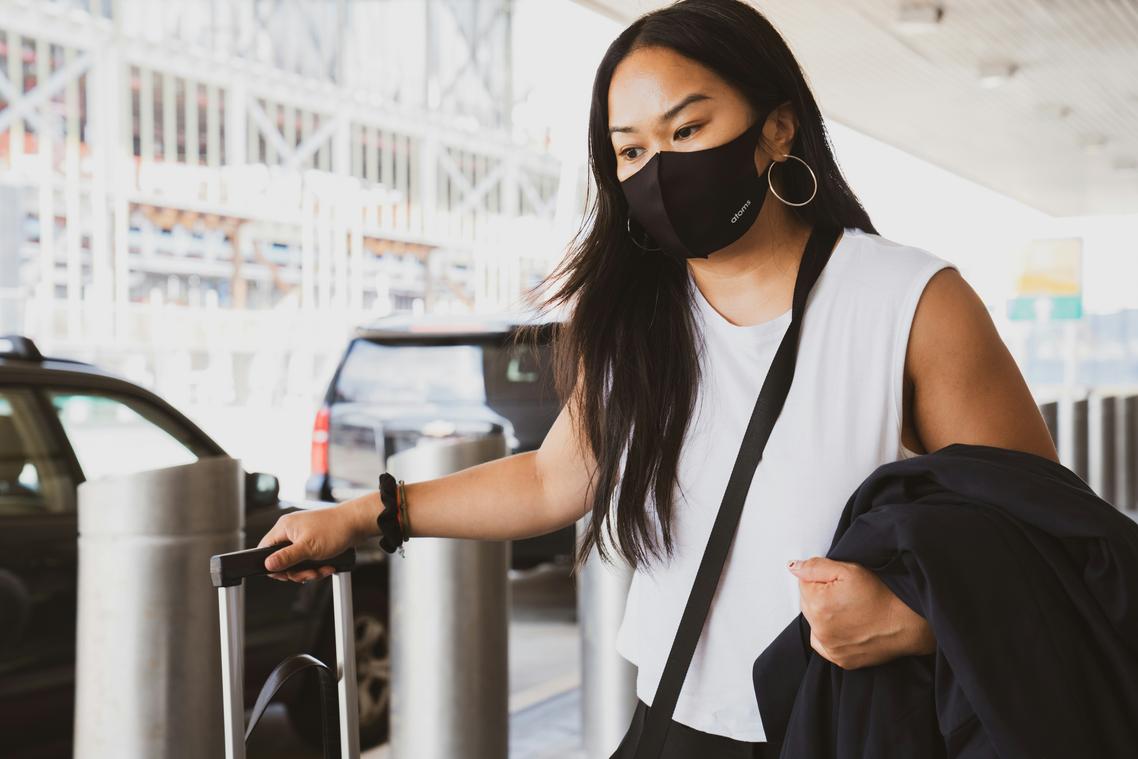
“Head up. Phone down.” That’s what a security officer told me in a crowded Lisbon train station. He wasn’t being dramatic. He’d just watched a distracted traveler lose a wallet in under ten seconds. Situational awareness—your ability to notice and interpret what’s happening around you—is your first line of defense (and it’s free).
Be Aware of Your Surroundings
First and foremost, avoid walking while glued to your screen. In busy markets and tourist hubs, scan the area, note exits, and project confidence with steady posture. As one seasoned backpacker put it, “If you look lost, someone will try to help—or hustle—you.”
Secure Your Valuables
Next, keep a low profile. Flashing jewelry or wads of cash invites attention. Instead:
- Store passports and extra money in a hotel safe
- Use anti-theft bags or money belts daily
- Carry only what you need for the day
Some argue money belts scream “tourist.” Fair point. However, discreet designs today are virtually invisible under clothing.
Navigate Transportation Safely
Meanwhile, choose licensed taxis or reputable ride-share apps. Agree on fares if meters aren’t used and share trip details with someone you trust. It’s a small step that adds accountability.
Practice Accommodation Security
Finally, lock doors, use deadbolts, and verify unexpected visitors with the front desk. For broader travel health and safety tips, check out how to plan a flexible travel itinerary without overbooking yourself.
Because ultimately, confidence plus preparation beats paranoia every time.
Navigating Local Cuisine and Environments
Exploring food abroad can feel like stepping into an episode of Anthony Bourdain: Parts Unknown—thrilling, flavorful, and occasionally risky (in a good way). Still, smart choices keep the adventure memorable for the right reasons.
Follow the Food Safety Mantra: A good rule of thumb in many regions is to only eat food that is “boiled, cooked, or peeled.” Be wary of raw salads or uncooked fruits you haven’t peeled yourself.
Choose Eateries Wisely: Opt for busy restaurants and street food stalls with a high turnover of customers, as this suggests the food is fresh.
Hydrate Safely: Stick to sealed, bottled water. Avoid tap water, ice cubes in drinks, and be cautious with fountain drinks unless you are certain the water source is purified.
- Trust your senses—smell and sight matter.
- When in doubt, go hot and freshly made.
Pro tip: Pack oral rehydration salts—just in case.
Travel with confidence on your next journey isn’t about eliminating risk; it’s about understanding it. The biggest barrier to a great trip is often the anxiety of the unknown. Preparation turns uncertainty into a plan.
When we say “travel health and safety tips,” we mean practical steps that reduce common risks—like packing medications, checking advisories, and saving emergency numbers.
Break it down:
- Research destination basics
- Organize documents and insurance
- Pack a small health kit
These habits replace worry with confidence and clarity. Use this guide as a launchpad for your next adventure with peace of mind ahead.
Make Your Next Trip Smoother, Safer, and Stress-Free
You came here looking for smarter ways to travel—ways to save money, avoid common mistakes, and experience more without the overwhelm. Now you have the tools to book better flights, pack efficiently, uncover hidden gems, and prioritize travel health and safety tips that keep your journey on track.
Travel frustrations—overpriced tickets, overpacked bags, missed connections, unsafe choices—can quickly turn excitement into stress. But with the right strategies, those pain points become avoidable.
Now it’s time to put this into action. Start applying these hacks to your next booking, refine your packing system, and plan with confidence. Thousands of savvy travelers rely on our proven strategies to simplify their trips and maximize every mile.
Don’t leave your next adventure to chance—explore more expert travel guides, use these tips on your upcoming trip, and turn every journey into a seamless experience.

 Jasons Greenovader is the co-founder of paxtraveltweaks and a passionate travel tech enthusiast who focuses on helping travelers use digital tools to simplify their journeys. With expertise in travel apps, smart booking strategies, and online planning platforms, Jasons creates practical guides that help readers save time and money while exploring the world. His mission is to make modern travel more efficient through technology-driven solutions.