A few years ago, memes were mostly viewed as random internet jokes shared for entertainment. Today, they’ve become something much bigger.
Memes now influence how people communicate, react to news, engage with brands, and even express emotions online. In many ways, they’ve become part of digital language itself.
Sometimes a single meme explains a feeling better than an entire paragraph.
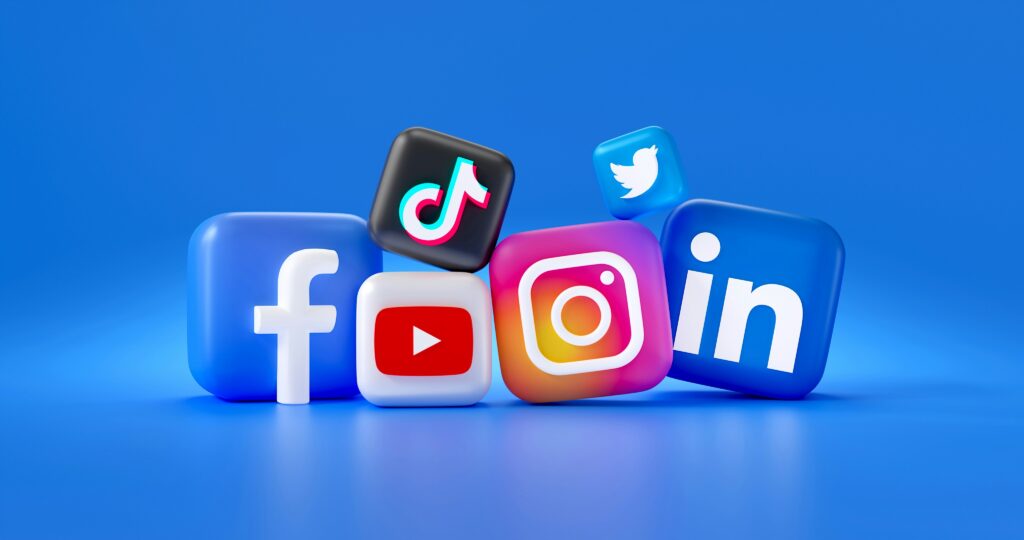
That’s exactly why meme culture continues growing across every major platform — from Instagram and TikTok to LinkedIn and group chats between friends.
Why Memes Spread So Quickly
The internet moves fast, and people naturally gravitate toward content that’s easy to understand instantly.
Memes work because they combine:
- Visual storytelling
- Humor
- Relatability
- Simplicity
- Emotional reaction
In just a few seconds, a meme can make someone laugh, feel understood, or instantly recognize a shared experience.
That emotional reaction is what drives sharing behavior online.
People repost memes because they want others to relate too.
Memes Feel More Human Than Traditional Content
One reason memes outperform many traditional posts is authenticity.
Perfectly polished advertisements often feel distant or overly corporate. Memes feel casual and natural instead.
They reflect:
- Everyday frustrations
- Social habits
- Workplace experiences
- Online culture
- Shared emotions
Because of that, audiences connect with them much faster.
Humor lowers barriers. It makes communication feel lighter and more personal.
Businesses Realized Humor Creates Better Engagement
For years, brands focused heavily on formal marketing strategies. But online audiences gradually started preferring companies that felt more relatable and less robotic.
That shift changed everything.
Now, businesses actively use memes to:
- Increase social engagement
- Build brand personality
- Participate in trends
- Reach younger audiences
- Make marketing feel less aggressive
A funny meme often generates more interaction than a polished promotional graphic because people enjoy sharing content that entertains them.
Speed Matters in Meme Culture
One unique thing about memes is how quickly trends evolve.
A format can become viral overnight and disappear days later. That means creators and marketers need tools that help them react quickly while trends are still relevant.
Modern platforms like meme creator tools make this process much faster by allowing users to create and customize meme content without needing advanced editing skills.
That accessibility matters because meme culture rewards creativity and timing more than technical perfection.
Relatable Content Always Wins
The most successful memes are rarely the most visually impressive ones.
Usually, the strongest memes are simply the most relatable.
People engage most with content that reflects:
- Situations they experience daily
- Thoughts they secretly have
- Common frustrations
- Funny misunderstandings
- Social awkwardness
- Internet habits
When audiences immediately recognize themselves in content, engagement happens naturally.
That relatability is what makes memes feel so addictive online.
Meme Marketing Works Because It Doesn’t Feel Like Marketing
Traditional advertising often interrupts people.
Memes blend into natural online behavior instead.
Rather than forcing sales messages, memes entertain first. Brand visibility becomes a secondary effect of engagement.
That’s why meme marketing works especially well on social platforms where users primarily expect entertainment rather than direct promotion.
The brands that succeed with memes usually understand one important rule: people come for humor, not advertisements.
The Biggest Mistake Brands Make With Memes
Many companies fail with meme content because they try too hard to sound trendy.
Internet audiences notice forced humor immediately.
The best meme strategies usually feel:
- Casual
- Self-aware
- Timely
- Simple
- Natural
Trying to overexplain jokes or aggressively promote products through memes often ruins the content entirely.
Good meme marketing understands internet culture without pretending too hard.
Why Meme Communities Feel So Strong
Shared humor creates connection incredibly fast.
That’s one reason meme pages often build highly active and loyal communities online. When people laugh together repeatedly, they naturally develop emotional familiarity.
This leads to:
- Better audience loyalty
- More shares
- Stronger engagement
- Faster organic growth
- Increased brand recognition
For creators and businesses, that kind of organic interaction is extremely valuable.
Memes Continue Evolving With Internet Culture
Meme styles constantly change because internet culture changes constantly.
Different platforms develop different humor styles:
- TikTok trends move extremely fast
- Instagram memes often focus on aesthetics and relatability
- LinkedIn humor tends to revolve around work culture
- X memes usually react to trending news quickly
Creators who understand these differences usually build stronger engagement because they adapt content naturally to platform culture.
Final Thoughts
Memes have become far more than internet entertainment. They now shape digital communication, online communities, and even modern marketing strategies.
People connect deeply with humor because it creates emotional familiarity in a fast-moving online world where attention is constantly divided.
And while meme formats will continue evolving, one thing probably won’t change anytime soon: relatable humor will always be one of the strongest ways to bring people together online.

 Jasons Greenovader has opinions about flight hacks and booking strategies. Informed ones, backed by real experience — but opinions nonetheless, and they doesn't try to disguise them as neutral observation. They thinks a lot of what gets written about Flight Hacks and Booking Strategies, Tweaked Travel Gear Reviews, Packing Optimization Tricks is either too cautious to be useful or too confident to be credible, and they's work tends to sit deliberately in the space between those two failure modes.
Reading Jasons's pieces, you get the sense of someone who has thought about this stuff seriously and arrived at actual conclusions — not just collected a range of perspectives and declined to pick one. That can be uncomfortable when they lands on something you disagree with. It's also why the writing is worth engaging with. Jasons isn't interested in telling people what they want to hear. They is interested in telling them what they actually thinks, with enough reasoning behind it that you can push back if you want to. That kind of intellectual honesty is rarer than it should be.
What Jasons is best at is the moment when a familiar topic reveals something unexpected — when the conventional wisdom turns out to be slightly off, or when a small shift in framing changes everything. They finds those moments consistently, which is why they's work tends to generate real discussion rather than just passive agreement.
Jasons Greenovader has opinions about flight hacks and booking strategies. Informed ones, backed by real experience — but opinions nonetheless, and they doesn't try to disguise them as neutral observation. They thinks a lot of what gets written about Flight Hacks and Booking Strategies, Tweaked Travel Gear Reviews, Packing Optimization Tricks is either too cautious to be useful or too confident to be credible, and they's work tends to sit deliberately in the space between those two failure modes.
Reading Jasons's pieces, you get the sense of someone who has thought about this stuff seriously and arrived at actual conclusions — not just collected a range of perspectives and declined to pick one. That can be uncomfortable when they lands on something you disagree with. It's also why the writing is worth engaging with. Jasons isn't interested in telling people what they want to hear. They is interested in telling them what they actually thinks, with enough reasoning behind it that you can push back if you want to. That kind of intellectual honesty is rarer than it should be.
What Jasons is best at is the moment when a familiar topic reveals something unexpected — when the conventional wisdom turns out to be slightly off, or when a small shift in framing changes everything. They finds those moments consistently, which is why they's work tends to generate real discussion rather than just passive agreement.