

The Philippines continues growing as one of Southeast Asia’s most exciting destinations for tourism, entertainment, digital innovation, and cultural influence. The country’s combination of tropical islands, modern cities, luxury resorts, shopping culture, and rapidly expanding technology sector has helped attract increasing global attention. In 2025, visitor arrivals to the Philippines rose by 0.76% to reach 6,484,060 international arrivals, reflecting the country’s continued popularity among global travelers.
Beyond tourism, the Philippines is becoming increasingly recognized for gaming, esports, mobile entertainment, nightlife, digital infrastructure, and creative industries. From world-famous beaches to cutting-edge eGaming systems, the country continues evolving into one of Asia’s most dynamic cultural and entertainment hubs.
-
World-Class Tropical Islands

The Philippines remains internationally famous for its tropical islands and coastal destinations. With more than 7,000 islands spread across Southeast Asia, the country offers some of the world’s most visually stunning beaches and marine environments.
Boracay continues attracting international visitors because of its white sand beaches, nightlife, water sports, and luxury resorts. Palawan became globally recognized for its crystal-clear lagoons, limestone cliffs, diving locations, and eco-tourism experiences. Destinations such as El Nido and Coron are especially popular among travelers seeking island-hopping adventures and marine exploration.
The country is also famous for its biodiversity, coral reefs, and tropical marine life, making it one of the top diving destinations in the world. Visitors frequently travel to the Philippines for snorkeling, surfing, kayaking, and eco-tourism experiences that combine relaxation with outdoor adventure. Island tourism remains one of the strongest foundations of the Philippine economy and global identity, helping showcase the country’s natural beauty to international audiences.
-
Manila’s Luxury Entertainment Districts
Metro Manila evolved into one of Asia’s most important entertainment and gaming hubs. Areas such as Entertainment City combine luxury hospitality, casinos, shopping centers, concerts, and nightlife into massive integrated resort ecosystems.
Destinations such as Okada Manila, City of Dreams Manila, and Solaire Resort Entertainment City attract both tourists and local visitors through large-scale entertainment experiences.
These developments helped position Manila as one of Southeast Asia’s fastest-growing luxury tourism and gaming destinations.
-
Mobile Gaming and eGaming Culture
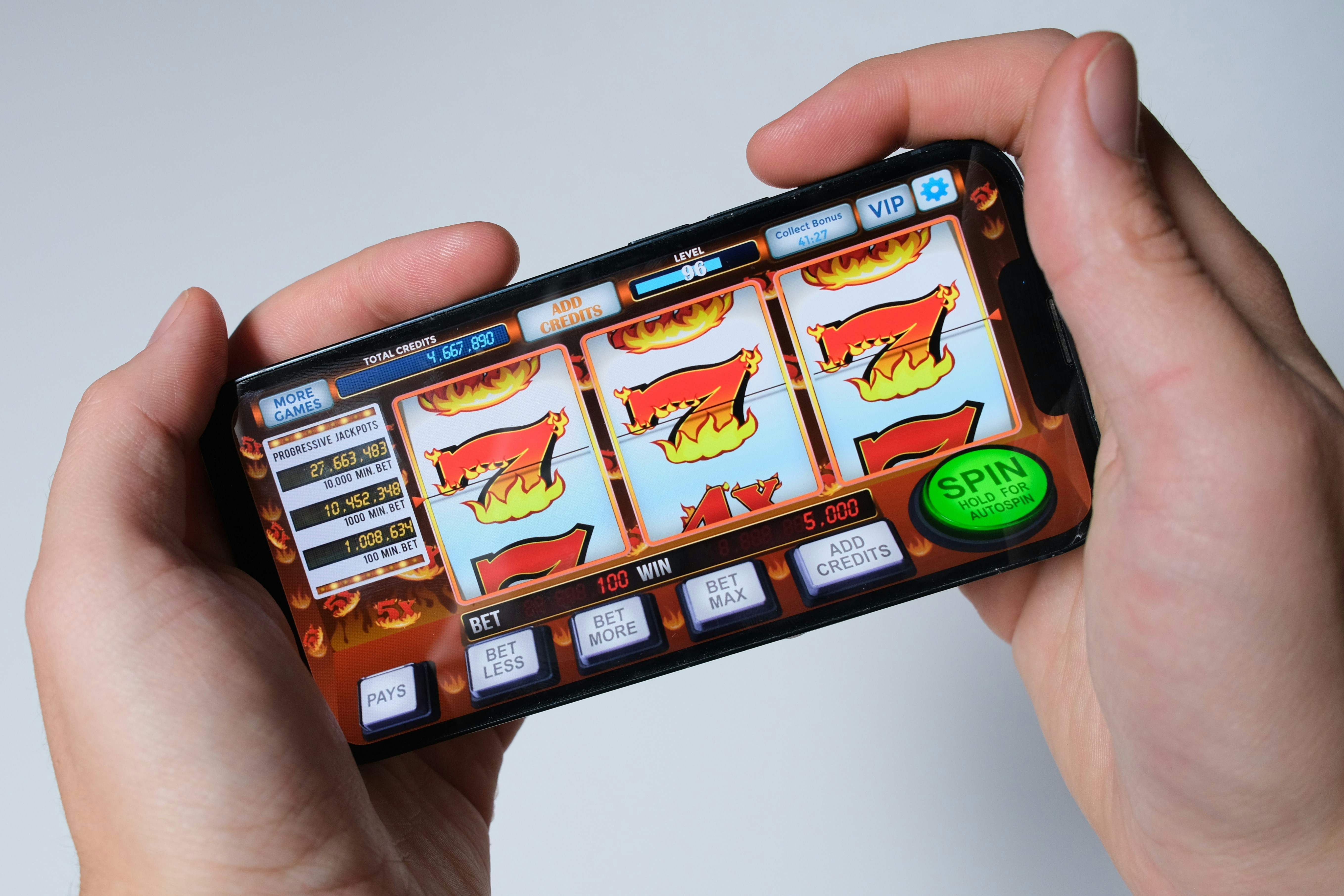
The Philippines is rapidly becoming famous for its mobile gaming and eGaming culture. The country has one of the most digitally connected populations in Southeast Asia, with millions of players regularly accessing online games, esports competitions, and mobile entertainment platforms.
Online casino platforms increasingly adapt their games specifically for Filipino audiences by combining local culture with modern gaming technology. Megabet Paradise shows how Philippine gaming companies are blending entertainment and localization successfully. The platform’s MegaMall feature combines gaming with the country’s famous shopping culture, creating an experience inspired by the energy and atmosphere of Manila’s famous shopping center. This combination of eGaming and shopping culture reflects how Philippine entertainment brands increasingly understand local audiences and modern digital lifestyles. The growing popularity of mobile-first gaming continues to help the country establish itself as one of Asia’s fastest-growing eGaming markets.
-
Massive Shopping Malls
The Philippines is internationally famous for its enormous shopping malls and retail culture. Shopping centers throughout Metro Manila function not only as retail spaces but also as entertainment destinations featuring restaurants, cinemas, gaming zones, concerts, and digital experiences.
SM Mall of Asia remains one of the largest malls in Asia and attracts millions of visitors annually. SM Megamall became famous for its huge retail spaces, dining districts, and entertainment attractions.
Many malls also provide free WiFi, helping strengthen the country’s highly connected digital culture.
-
Esports and Competitive Gaming

The Philippines developed one of Southeast Asia’s strongest esports communities. Competitive gaming became hugely popular throughout the country, especially among younger audiences and mobile gamers.
Games such as Mobile Legends: Bang Bang, Valorant, and Dota 2 attract large local audiences through tournaments, livestreams, and esports events. Gaming cafés and esports arenas across Manila continue supporting a rapidly expanding competitive gaming ecosystem.
This esports growth also contributes to the broader popularity of eGaming and digital entertainment throughout the country.
-
Filipino Hospitality
Filipino hospitality remains one of the country’s most internationally recognized qualities. Visitors frequently describe the Philippines as one of the friendliest countries in Asia because of its welcoming culture and strong English-language accessibility.
The country’s hospitality industry continues to grow rapidly through luxury resorts, beach tourism, integrated entertainment complexes, and expanding digital tourism services. This welcoming environment plays a major role in attracting both tourists and international business investment.
-
Vibrant Food Culture
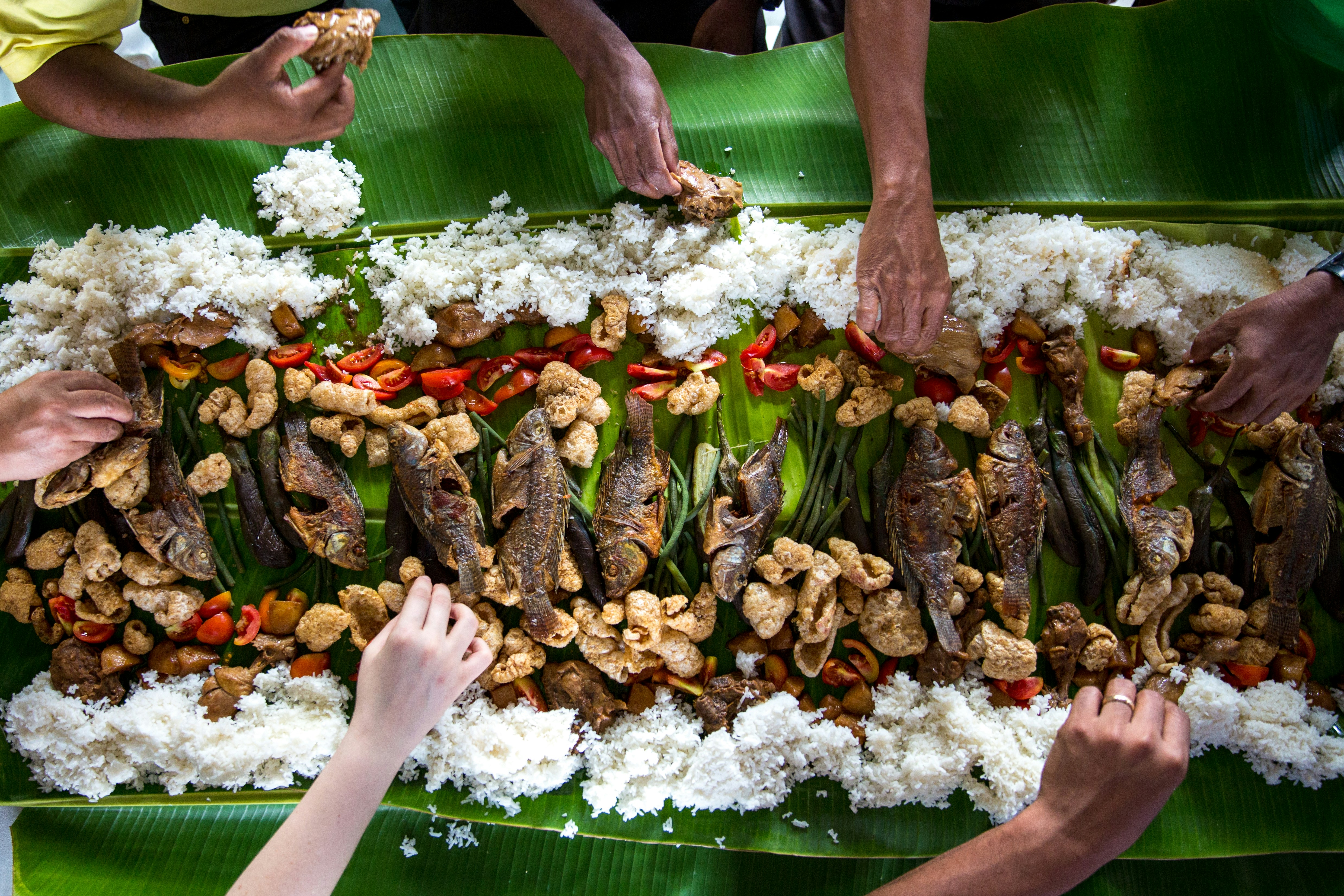
Filipino cuisine is becoming increasingly popular internationally because of its unique combination of Asian, Spanish, and indigenous culinary influences. Dishes such as adobo, lechon, sinigang, kare-kare, and halo-halo continue gaining international attention through tourism, food documentaries, and social media platforms.
Food markets, street vendors, and restaurant districts throughout Manila, Cebu, and Davao help showcase the country’s vibrant food culture. Famous dining destinations such as Manam became known for modern Filipino comfort food, while Spiral gained international recognition for luxury buffet dining and Filipino specialties. Rico’s Lechon also became famous for its Cebu-style roasted pork, considered one of the country’s signature dishes.
Filipino cuisine increasingly appears in international food festivals and global restaurant scenes as chefs continue modernizing traditional recipes while preserving regional flavors and cultural identity.
-
Social Media and Digital Connectivity
The Philippines became one of the world’s most socially connected nations. Filipinos spend enormous amounts of time online daily, especially on social media and mobile entertainment platforms.
This strong digital engagement helped fuel the growth of online gaming, streaming culture, influencer marketing, and digital entertainment ecosystems. Social media also plays a major role in shaping tourism trends, gaming communities, and online shopping habits throughout the country.
-
Music and Entertainment Talent
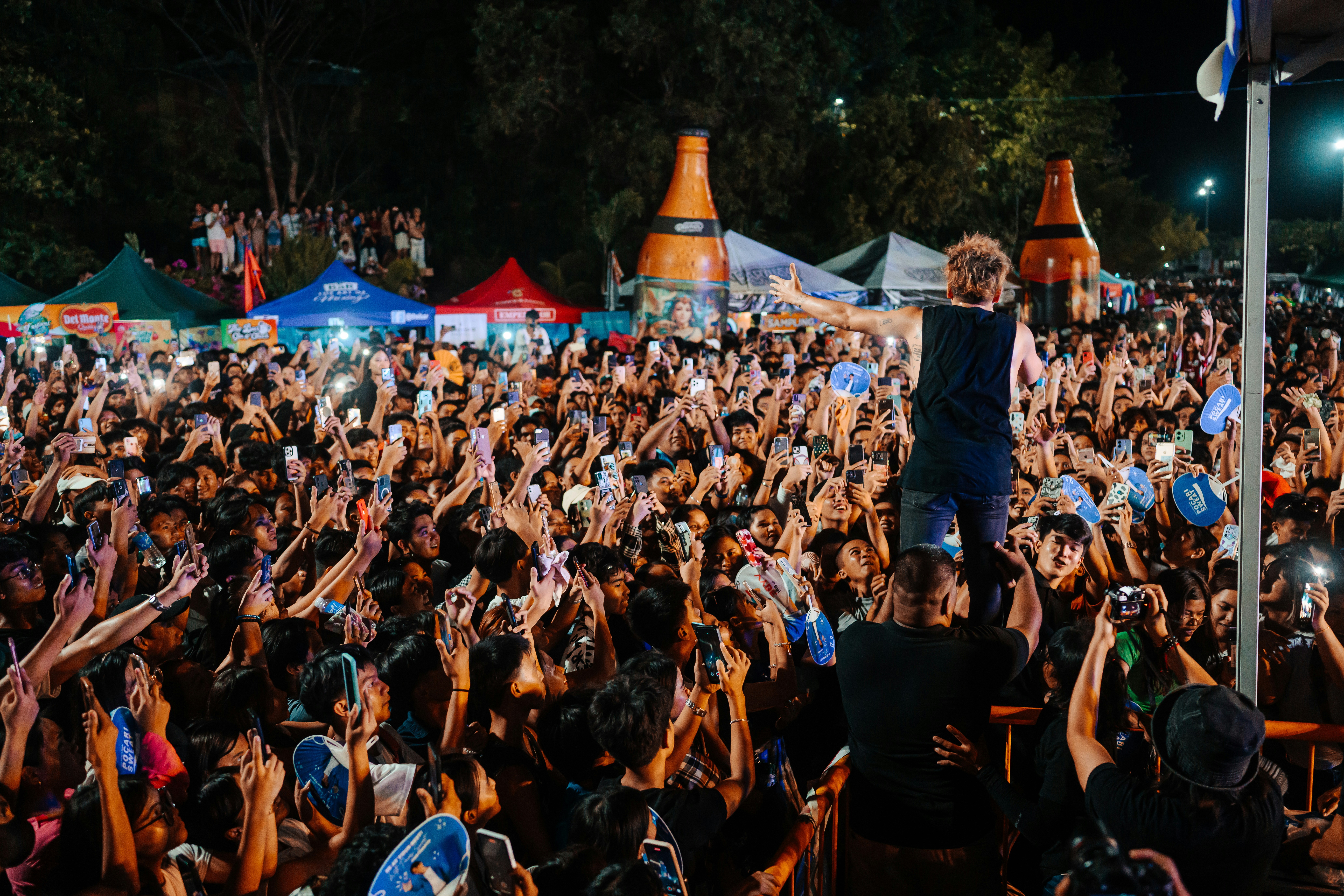
The Philippines is increasingly recognized for its musical talent and entertainment industry. Filipino singers, performers, and creators gained strong international followings through streaming platforms, reality television, and social media. Artists such as Lea Salonga became internationally famous through Broadway and Disney productions, while Sarah Geronimo and Ben&Ben helped modern Filipino music gain wider international recognition. The country also produced globally known boxing icon and entertainer Manny Pacquiao, whose popularity further elevated Philippine entertainment culture worldwide.
Live music venues, concerts, and entertainment districts throughout Manila continue supporting the country’s growing reputation as a creative entertainment hub. Areas such as Bonifacio Global City and Makati regularly host music festivals, nightlife events, and live performances featuring both local and international artists. Karaoke culture also remains deeply embedded within Filipino social life and nightlife, reflecting the country’s strong passion for music and performance.
-
Fast-Growing Technology and Digital Industries
The Philippines is becoming increasingly important within Southeast Asia’s technology and digital business sectors. Expanding internet infrastructure, mobile banking systems, e-wallet adoption, and digital commerce all contributed to rapid technological growth.
The country also developed a strong outsourcing and customer support industry because of its English-speaking workforce and digital accessibility. These advantages continue attracting international gaming companies, fintech businesses, and technology startups.
As digital infrastructure improves further, the Philippines is expected to become even more influential within Asia’s broader technology economy.
Conclusion
The Philippines is evolving far beyond its reputation as simply a tropical tourist destination. While its beaches, islands, and hospitality remain globally famous, the country is also becoming recognized for gaming, esports, shopping culture, mobile entertainment, digital innovation, and modern urban development.
From integrated entertainment districts and massive malls to eGaming platforms such as Megabet Paradise and the MegaMall experience, the Philippines continues to blend local culture with cutting-edge digital entertainment.
As tourism, technology, and entertainment industries continue expanding together, the Philippines is positioning itself as one of Southeast Asia’s most exciting and influential destinations for the future. For more travel news and insights, do check out the rest of Pax Travel Tweaks.

 Jasons Greenovader has opinions about flight hacks and booking strategies. Informed ones, backed by real experience — but opinions nonetheless, and they doesn't try to disguise them as neutral observation. They thinks a lot of what gets written about Flight Hacks and Booking Strategies, Tweaked Travel Gear Reviews, Packing Optimization Tricks is either too cautious to be useful or too confident to be credible, and they's work tends to sit deliberately in the space between those two failure modes.
Reading Jasons's pieces, you get the sense of someone who has thought about this stuff seriously and arrived at actual conclusions — not just collected a range of perspectives and declined to pick one. That can be uncomfortable when they lands on something you disagree with. It's also why the writing is worth engaging with. Jasons isn't interested in telling people what they want to hear. They is interested in telling them what they actually thinks, with enough reasoning behind it that you can push back if you want to. That kind of intellectual honesty is rarer than it should be.
What Jasons is best at is the moment when a familiar topic reveals something unexpected — when the conventional wisdom turns out to be slightly off, or when a small shift in framing changes everything. They finds those moments consistently, which is why they's work tends to generate real discussion rather than just passive agreement.
Jasons Greenovader has opinions about flight hacks and booking strategies. Informed ones, backed by real experience — but opinions nonetheless, and they doesn't try to disguise them as neutral observation. They thinks a lot of what gets written about Flight Hacks and Booking Strategies, Tweaked Travel Gear Reviews, Packing Optimization Tricks is either too cautious to be useful or too confident to be credible, and they's work tends to sit deliberately in the space between those two failure modes.
Reading Jasons's pieces, you get the sense of someone who has thought about this stuff seriously and arrived at actual conclusions — not just collected a range of perspectives and declined to pick one. That can be uncomfortable when they lands on something you disagree with. It's also why the writing is worth engaging with. Jasons isn't interested in telling people what they want to hear. They is interested in telling them what they actually thinks, with enough reasoning behind it that you can push back if you want to. That kind of intellectual honesty is rarer than it should be.
What Jasons is best at is the moment when a familiar topic reveals something unexpected — when the conventional wisdom turns out to be slightly off, or when a small shift in framing changes everything. They finds those moments consistently, which is why they's work tends to generate real discussion rather than just passive agreement.